Las mejores bodegas para visitar en Mendoza



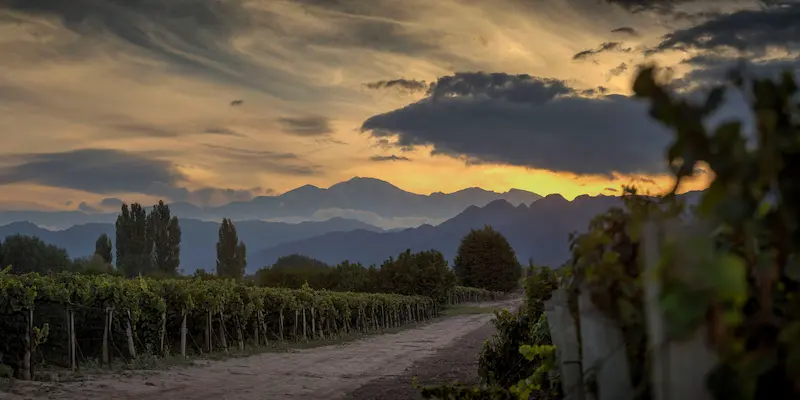
Mendoza es una de las grandes capitales mundiales del vino, reconocida en 2005 como «Gran Capital del Vino» junto con Burdeos y Ciudad del Cabo. La provincia cuenta con más de 1,200 bodegas, que producen el 70% del vino argentino, y más de 150 de ellas están abiertas al público en tres regiones distintas: Luján de Cuyo, Maipú y Valle de Uco. Cada una tiene su propia altitud, suelo y microclima, lo que da forma al famoso Malbec de Mendoza.
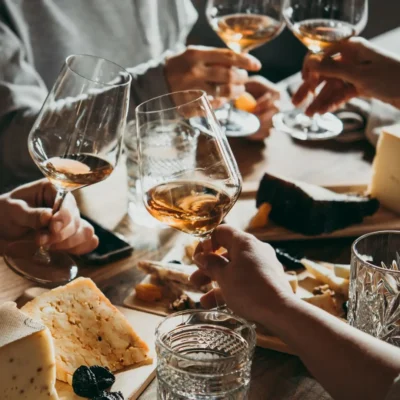
La cata de vinos es solo el punto de partida. Hoy en día, las bodegas de Mendoza ofrecen una amplia variedad de experiencias pensadas para todo tipo de viajeros, y vale la pena conocerlas antes de armar tu itinerario:
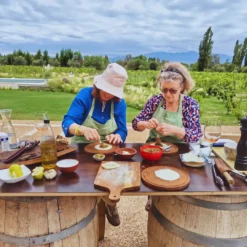
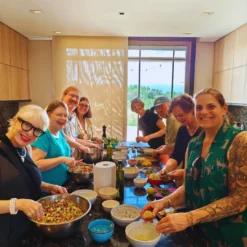
Clases de cocina
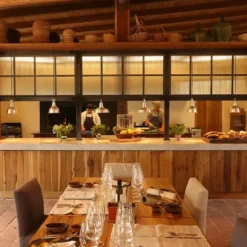
Viajes sostenibles
Paquete de 4 Días. Ciudad y Bodegas en Mendoza - 100% Ruta Sustentable
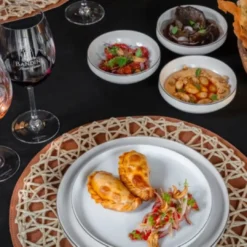
Mendoza Tours
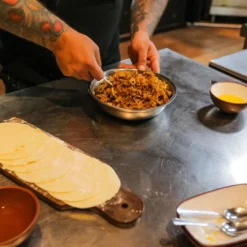
Clases de cocina
La región vinícola de Mendoza no es un solo lugar, sino tres territorios distintos, cada uno con su propio carácter, altitud y estilo. Entender las diferencias entre las regiones es el primer paso para planear una visita que realmente se ajuste a lo que buscas.
Luján de Cuyo se encuentra a una altitud de entre 800 y 1200 metros sobre el nivel del mar, justo al sur de la ciudad de Mendoza. Esta es la región que forjó la reputación vinícola de Argentina: la primera denominación de origen del país, hogar de algunas de las viñas de Malbec más antiguas del mundo y sede de muchas de las bodegas que han dado a conocer el vino argentino a nivel internacional.
La combinación del intenso sol andino, la baja humedad y los canales de riego del río Mendoza crea las condiciones ideales para producir vinos de una concentración y profundidad extraordinarias. El Malbec es la variedad dominante, pero también encontrarás excelentes Cabernet Sauvignon, Chardonnay y Bonarda en las diversas subzonas de la región, desde los suelos de grava de Agrelo hasta el terruño rico en arcilla de Vistalba y Perdriel.
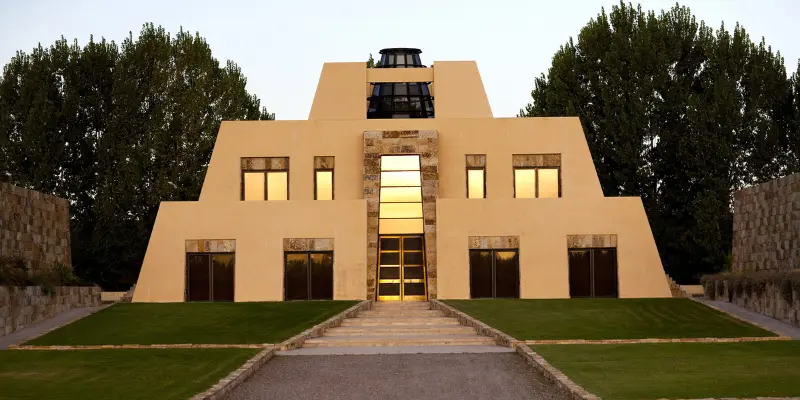
En cuanto a la arquitectura, Luján de Cuyo cuenta con algunas de las bodegas más emblemáticas de Mendoza. La pirámide maya de Catena Zapata, que se eleva entre los viñedos, se ha convertido en la imagen más representativa de la región. La zona también cuenta con una densidad excepcional de enólogos de clase mundial —nombres como Viña Cobos, el proyecto argentino de Paul Hobbs, junto con fincas familiares que llevan generaciones produciendo vino—.
Algunas de las bodegas asociadas a SAK con las que trabajamos en Luján de Cuyo: Catena Zapata, Viña Cobos, Susana Balbo (Dominio del Plata), Achaval Ferrer, Ruca Malen, Lagarde, Finca Decero, Alta Vista, Kikén, Pulenta Estate, Bressia, Renacer, Nieto Senetiner, Clos de Chacras, Chandon, Piatelli, Belasco de Baquedano, Carmélo Patti, Familia Blanco, Benegas y más.
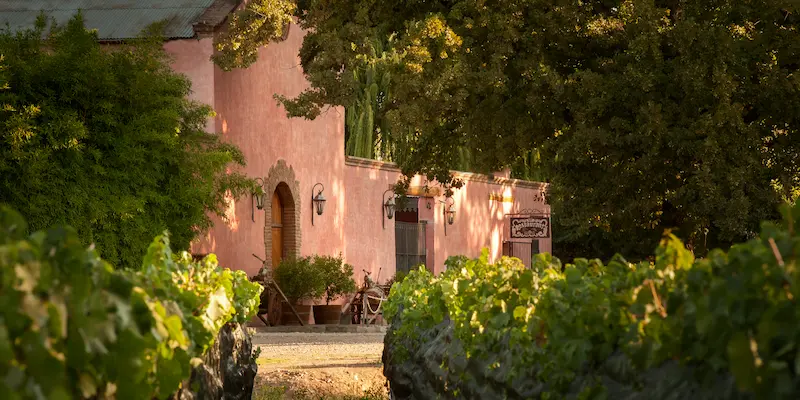
Maipú es la región vinícola más cercana a la ciudad de Mendoza y está a una altitud un poco más baja que Luján de Cuyo. También es donde empezó el turismo vinícola organizado en la provincia: la red de bodegas, productores de aceite de oliva y caminos rurales que forman el circuito vinícola de Maipú fue uno de los primeros en Argentina en abrirse sistemáticamente al público.
La zona es conocida por su carácter accesible: una mezcla de grandes productores históricos y bodegas boutique más pequeñas, la mayoría lo suficientemente cerca como para visitar varias en un solo día. Los suelos de aquí —franco-arenosos sobre arcilla— producen vinos que tienden a la elegancia y la frescura, en lugar de la potencia de las zonas de mayor altitud. Malbec, Tempranillo y Bonarda Todos dan buenos resultados, y la región cuenta con una larga tradición vinícola que se ha transmitido de generación en generación a través de las familias de inmigrantes.
Maipú es también la región donde SAK lleva a cabo su recorridos en bici por los viñedos, una forma única de ir de bodega en bodega por tranquilas carreteras rurales, pedaleando a tu propio ritmo entre olivares, viñedos y fincas históricas. La zona también es ideal para tours de maridaje de vino y chocolate, lo que le da un toque gourmet a la experiencia clásica del vino.
Algunas de las bodegas asociadas a SAK con las que trabajamos en Maipú: Luigi Bosca (Finca El Paraíso), El Enemigo, Trapiche, Tempus Alba, Trivento, Mil Suelos, Zuccardi Santa Julia, CarinaE, Benegas, AMP de Karim Mussi y muchas más.
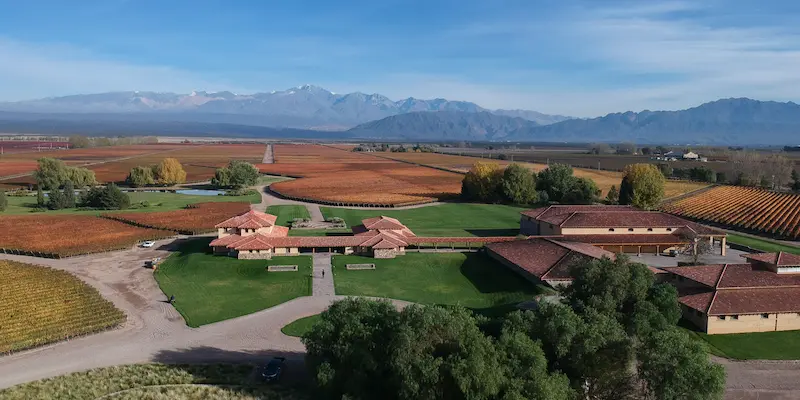
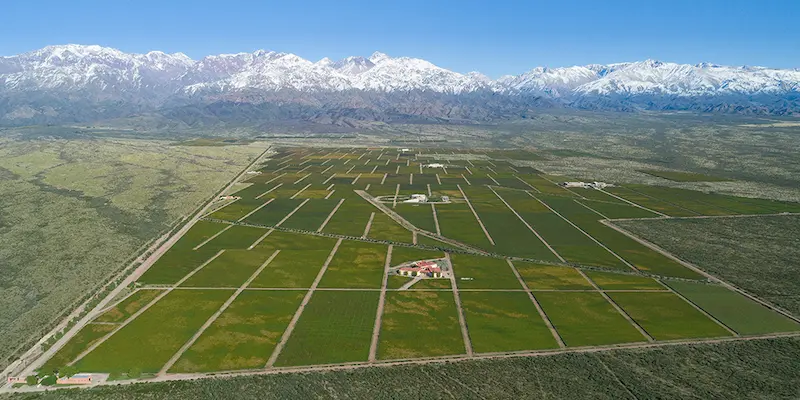
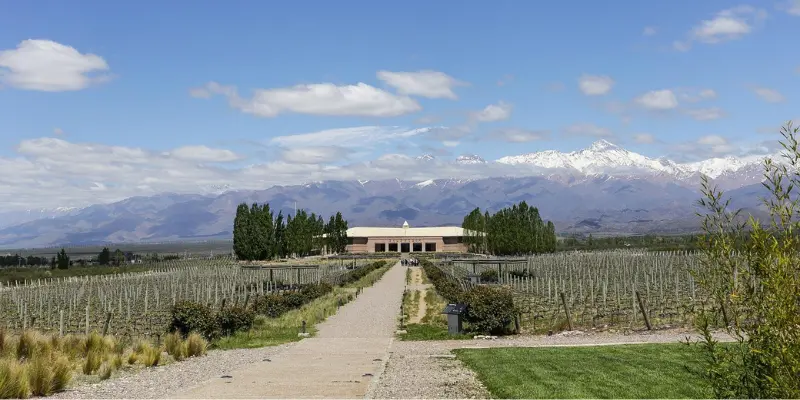
Valle de Uco es la región vinícola más espectacular de Mendoza y, en las últimas dos décadas, se ha convertido en una de las regiones vinícolas más emocionantes del mundo. Situado entre 80 y 100 km al sur de la ciudad, a una altitud de entre 1.000 y 1.500 metros, el Valle de Uco produce vinos de una frescura, precisión y complejidad extraordinarias que han llamado la atención de sumilleres y críticos de todo el mundo.
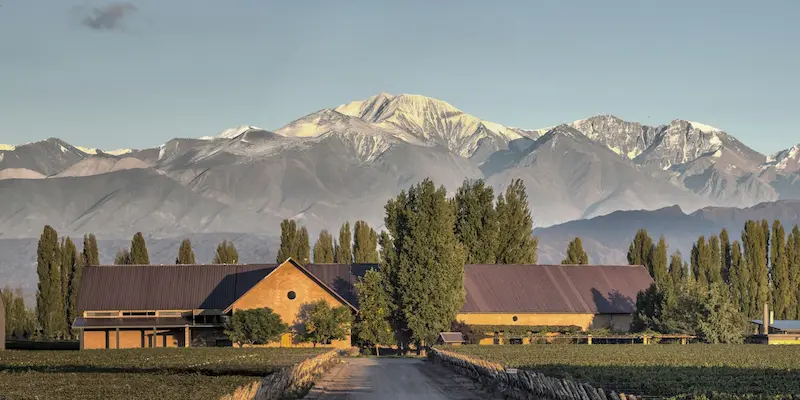
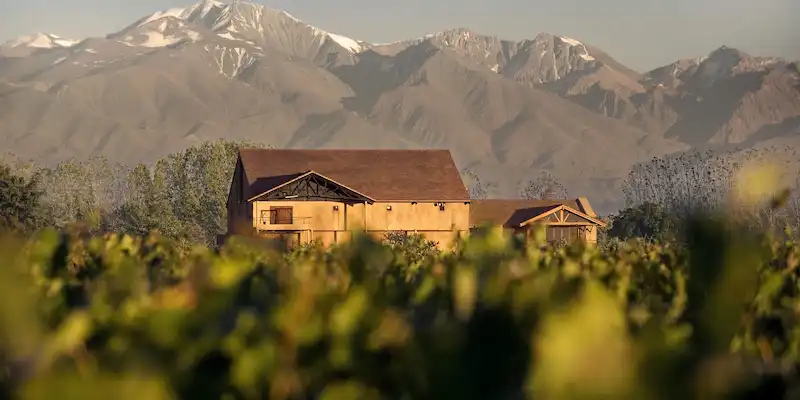
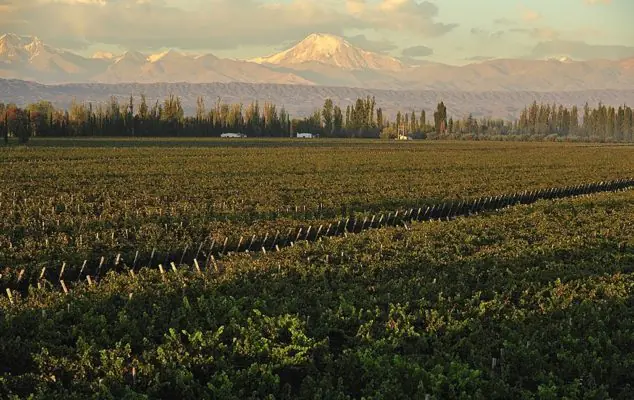
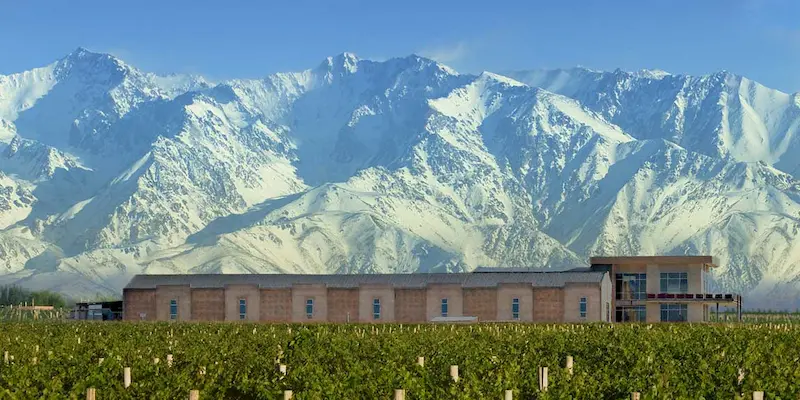
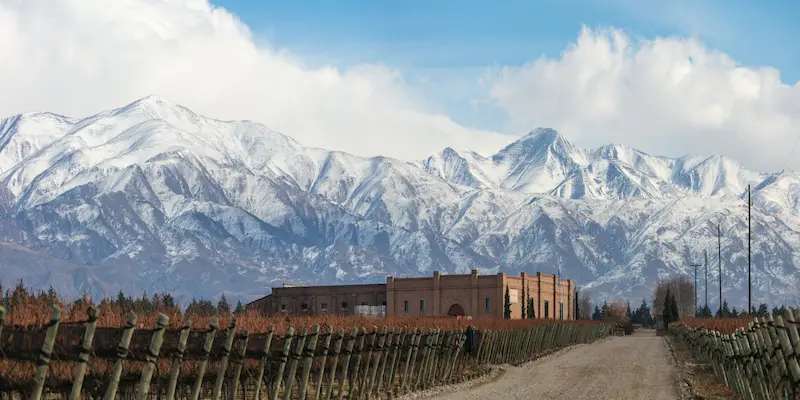
Aquí los Andes están más cerca y se nota. Los viñedos se extienden hacia las estribaciones, con picos nevados que enmarcan cada panorama. Los días son soleados y cálidos; las noches se enfrían mucho, lo que ayuda a conservar la acidez natural de las uvas. Los suelos —caliza, grava aluvial y marga arenosa— varían bastante entre las tres subzonas principales del valle: Tupungato, Tunuyán y San Carlos.
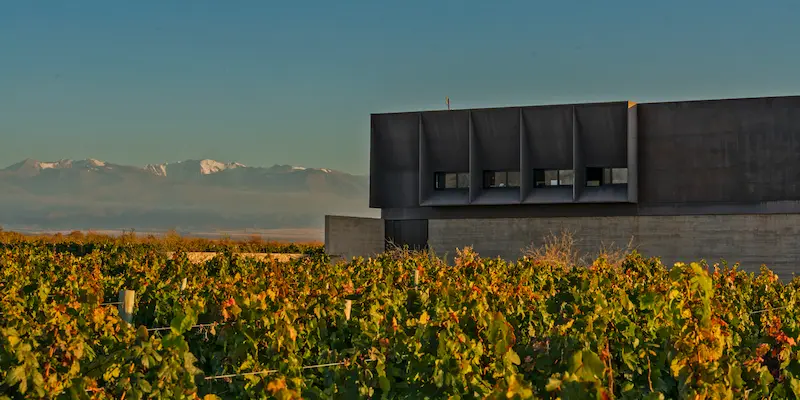
Aquí es donde ha echado raíces la arquitectura vinícola más ambiciosa de Mendoza. Aquí se encuentra Zuccardi Valle de Uco, reconocida en varias ocasiones como la mejor bodega del mundo, al igual que otras fincas emblemáticas repartidas por todo el valle. Dedicar un día completo al Valle de Uco es la experiencia en bodegas con los paisajes más espectaculares que ofrece Mendoza. Como el viaje en auto desde la ciudad es bastante largo, lo mejor es planearlo como un itinerario de día completo por sí solo.
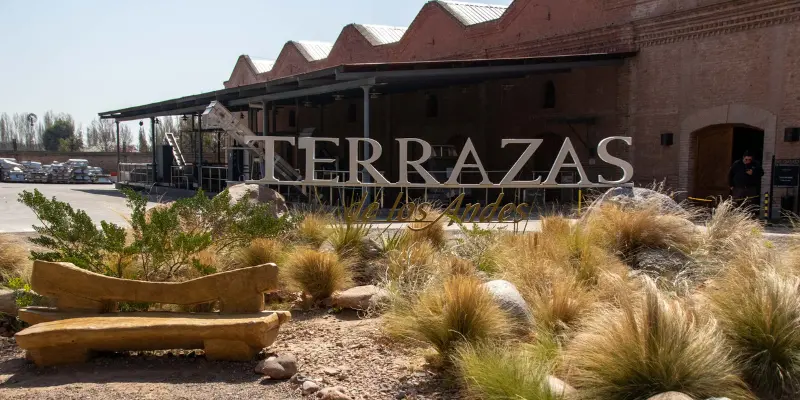
Algunas de las bodegas asociadas a SAK con las que trabajamos en el Valle de Uco: Salentein, Andeluna, Zorzal Wines, Bemberg Estate, La Azul, Domaine Bousquet, Atamisque, Huentala Wines, Piedra Infinita (Zuccardi), Corazón del Sol, Monteviejo, Diamandes, Alfa Crux, Super Uco, Gimenez Riili, Cuvelier de los Andes, Rolland y muchas más.
Te cuento algo que muchos viajeros no se esperan: no tienes que salir de la ciudad para vivir una auténtica experiencia en una bodega. Escorihuela Gascón, en el área urbana integrada de Godoy Cruz, y Los Toneles, justo en Guaymallén cerca del centro, se encuentran ambas dentro del núcleo urbano del Gran Mendoza, a solo unos minutos de la Plaza Independencia.
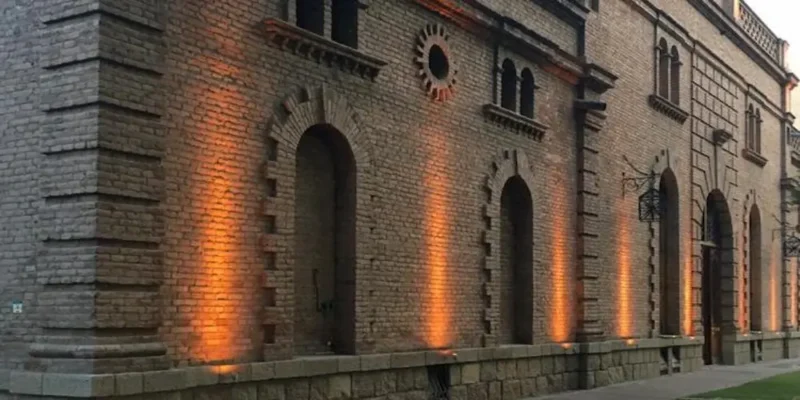
Fundada en 1884, Escorihuela Gascón es una de las bodegas con más historia de la región, y su emblemático edificio ya forma parte del paisaje urbano de los barrios de alrededor. Los Toneles te ofrece ese mismo acceso fácil y a pie, con un ambiente más íntimo y de boutique. Ambos te permiten vivir la auténtica experiencia de la elaboración de vinos en Mendoza sin tener que conducir hasta Luján de Cuyo o el Valle del Uco.
Por eso, las bodegas de la ciudad son una opción genial para estancias cortas, escalas o si viajas sin auto de alquiler. Combina tu visita con un recorrido a pie por el centro o una parada en el Mercado Central para disfrutar de lo mejor de Mendoza en la mitad de tiempo.
Bodegas con las que trabajamos en la ciudad: Escorihuela Gascón, Los Toneles.
Como operador turístico local que colabora con bodegas asociadas en las tres regiones vinícolas de Mendoza, hemos elaborado la siguiente tabla para ayudarte a comparar las principales bodegas. Todas las bodegas que aparecen en la lista forman parte de la selección de SAK.
Bodega | Región | Distancia desde la capital | Notas |
|---|---|---|---|
Catena Zapata | Luján de Cuyo | ~25 km (Agrelo) | La icónica arquitectura piramidal maya diseñada por Borgés & Yanzón. Una de las bodegas más fotografiadas de Argentina. Hogar de los legendarios vinos de Adrianna Vineyard. |
Viña Cobos | Luján de Cuyo | ~22 km (Perdriel) | El proyecto argentino de Paul Hobbs, conocido por algunos de los Malbecs de viñedo único más aclamados del país. Una experiencia de estilo boutique. |
Susana Balbo | Luján de Cuyo | ~20 km (Agrelo) | Fundada por la primera mujer enóloga graduada en Argentina. Pionera en el uso del Torrontés como variedad de alta gama. Una bodega moderna y con un diseño vanguardista. |
Achaval Ferrer | Luján de Cuyo | ~22 km (Perdriel) | Especialistas en Malbec de viñedo único y con carácter de terruño. Siempre entre las bodegas mejor valoradas en concursos internacionales. |
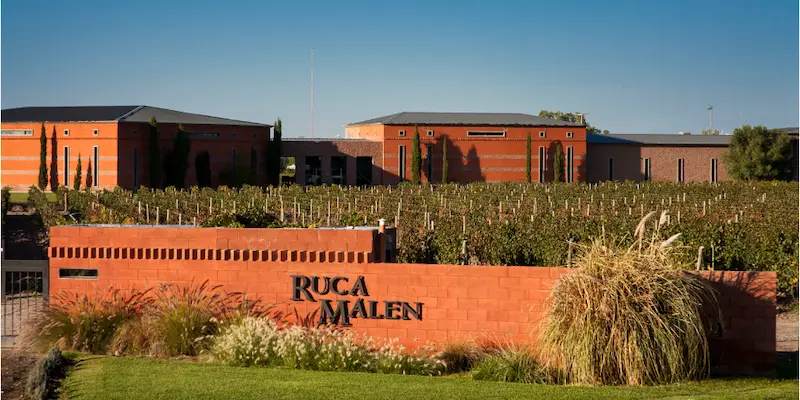
Ruca Malen | Luján de Cuyo | ~24 km (Agrelo) | Es conocido por ofrecer una de las mejores experiencias gastronómicas en una bodega de Mendoza, con vistas panorámicas de los Andes y un reconocido chef de la casa. |
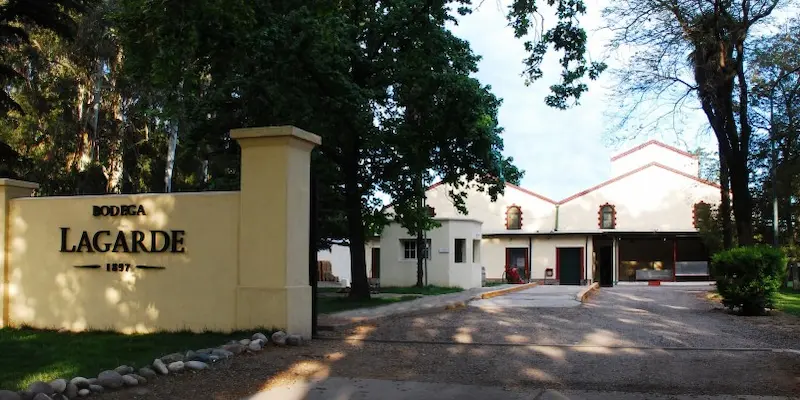
Lagarde | Luján de Cuyo | ~18 km | Una de las bodegas más antiguas de Mendoza que sigue en funcionamiento, fundada en 1897. Bodegas históricas, arquitectura patrimonial. Ruta ideal para andar en bici. |
Finca Decero | Luján de Cuyo | ~25 km (Agrelo) | Finca situada a gran altitud en Agrelo (1.050 m). Se especializa en Petit Verdot y Cabernet Franc, además de Malbec. Bodega de diseño moderno. |
Alta Vista | Luján de Cuyo | ~15 km (Chacras de Coria) | La fundaron inversionistas franceses. Es conocida por su gama ‘Premium’ de Malbec y por las innovadoras mezclas de Temis. Es un lugar ideal para ir en bici. |
Kikén | Luján de Cuyo | ~20 km (Vistalba) | De propiedad chilena (Montes). Una arquitectura moderna que llama la atención. El nombre significa ‘ganso volador’ en mapuche, un guiño a la migración transandina de los fundadores. |
Finca Pulenta | Luján de Cuyo | ~20 km (Vistalba) | Finca familiar de la familia Pulenta, antiguos propietarios de Trapiche. Se especializa en vinos de alta gama de las variedades Malbec, Cabernet y Merlot procedentes de Vistalba. |
Bressia | Luján de Cuyo | ~20 km (Perdriel) | Una bodega familiar boutique conocida por sus experiencias de vendimia y sus visitas guiadas inmersivas a las bodegas de fermentación. Se especializa en Malbec y Cabernet Franc. |
Renacer | Luján de Cuyo | ~22 km (Perdriel) | Finca de propiedad española. Conocida por las marcas ‘Punto Final’ y ‘Enamore’. Ofrece recorridos inmersivos por la bodega y los viñedos. |
Nieto Senetiner | Luján de Cuyo | ~20 km (Vistalba) | Gran finca histórica en Vistalba, fundada en 1888. Excelente relación calidad-precio. Ideal para ir en bici. Destaca su selección de Bonarda y Malbec. |
Clos de Chacras | Luján de Cuyo | ~15 km (Chacras de Coria) | Finca boutique en Chacras de Coria. Arquitectura de inspiración francesa, vinos de producción limitada. Ruta apta para ciclistas. |
Chandon | Luján de Cuyo | ~25 km (Agrelo) | La sede principal de Moët & Chandon en Argentina. El principal productor de vino espumante de Argentina. Un moderno centro de visitantes con degustaciones enfocadas en el vino espumante. |
Benegas | Luján de Cuyo | ~18 km | Finca histórica con más de 120 años de tradición vinícola. Es conocida por el emblemático Malbec ‘Lynch’ y por su bodega en forma de cruz, construida en la década de 1890. |
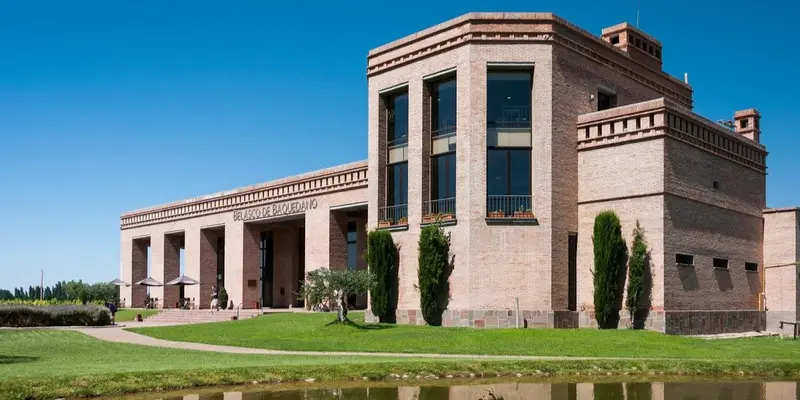
Belasco de Baquedano | Luján de Cuyo | ~24 km (Agrelo) | Elabora vinos de varias subregiones de Mendoza. Es conocido por sus uvas de alta montaña y por la serie de vinos de viñedo único ‘Swinto’. |
Piattelli | Luján de Cuyo | ~20 km (Vistalba) | También tiene una bodega hermana en Cafayate, Salta. Es conocida por sus mezclas de Malbec y Cabernet y por su cálida acogida a los visitantes. |
Luigi Bosca (Finca El Paraíso) | Maipú | ~18 km | Una finca familiar emblemática fundada en 1901. Una de las bodegas con más historia de Mendoza. La familia Giol ayudó a dar forma al turismo enológico argentino. Bodegas emblemáticas. |
El Enemigo | Maipú | ~18 km | Es un proyecto del enólogo Alejandro Vigil (que también es enólogo jefe en Catena). Lleva el nombre del ‘enemigo’ de la vinificación convencional. Ha recibido muy buenas críticas. |
Trapiche | Maipú | ~15 km (Coquimbito) | El mayor exportador de vino de Argentina, fundado en 1883. Las icónicas series ‘Iscay’ y ‘Terroir’, de un solo viñedo, junto con vinos accesibles para el día a día. Edificio histórico de la bodega. |
Tempus Alba | Maipú | ~15 km | Una bodega moderna muy comprometida con la viticultura sostenible. Destaca por su Malbec rosado y sus vinos premium asequibles. |
Trivento | Maipú | ~16 km | De propiedad chilena (Concha y Toro). Una de las bodegas más visitadas de Mendoza. El Malbec ‘Golden Reserve’ es su marca insignia. |
Mil Suelos | Maipú | ~16 km | Proyecto boutique especializado en vinos de una sola parcela procedentes de distintos tipos de suelo (‘mil suelos’ significa ‘mil suelos’). Se enfoca en la expresión del terruño. |
Zuccardi Santa Julia | Maipú | ~20 km | Una buena forma de conocer la gama de vinos de la familia Zuccardi. Prácticas orgánicas y biodinámicas. Vinos con una excelente relación calidad-precio y un ambiente acogedor para los visitantes. |
Salentein | Uco Valle Norte | ~90 km | Una finca emblemática de propiedad holandesa. Una de las primeras bodegas importantes en abrir sus puertas en el Valle de Uco. Cuenta con una galería de arte en el lugar (Espacio Killka) y un completo programa cultural. |
Andeluna | Uco Valle Norte | ~80 km (Tupungato) | Finca familiar conocida por su ubicación a 1,300 m de altitud y sus espectaculares vistas de los Andes. El nombre significa ‘valle de la luna’ en mapuche. |
Finca Bemberg | Uco Valle Norte | ~85 km | Proyecto boutique de gama ultra premium de la familia Bemberg. Producción muy limitada. Conocido por su excepcional Malbec de un solo viñedo cultivado a gran altitud. |
Vinos Zorzal | Uco Valle Norte | ~80 km (Tupungato) | Pionero de la viticultura orgánica y sostenible en Tupungato. Lleva el nombre del zorzal. Destaca más por su frescura y elegancia que por su potencia. |
La Azul | Uco Valle Norte | ~90 km | Una pequeña bodega boutique con algunas de las vistas más pintorescas de los viñedos del Valle de Uco. De gestión familiar, con visitas en un ambiente íntimo. |
Domaine Bousquet | Uco Valle Norte | ~85 km | Finca orgánica y biodinámica fundada por franceses. Uno de los productores de vino orgánico más premiados del mundo. Gran presencia en los mercados de exportación de EE. UU. y Europa. |
Atamisque | Uco Valle Norte | ~90 km | Complejo que incluye hotel, spa y restaurante junto a la bodega. Lleva el nombre del algarrobo local. Una buena opción para pasar el día. |
Piedra Infinita (Zuccardi) | Uco Valle Sur | ~100 km | La finca insignia de la familia Zuccardi. Ha sido reconocida varias veces como la mejor bodega del mundo. Arquitectura de Bormída & Yanzón. Se la considera lo mejor del turismo enológico de Mendoza. |
Corazón del Sol | Uco Valle Sur | ~100 km | Proyecto boutique de gama ultra premium. Ubicado en la zona de Clos de los Siete. Producción muy limitada, formato de visita exclusivo. |
Monteviejo | Uco Valle Sur | ~100 km | Forma parte del Clos de los Siete, una empresa conjunta de siete viticultores franceses, entre los que se encuentra Michel Rolland. Una hermosa finca con vista a la montaña. |
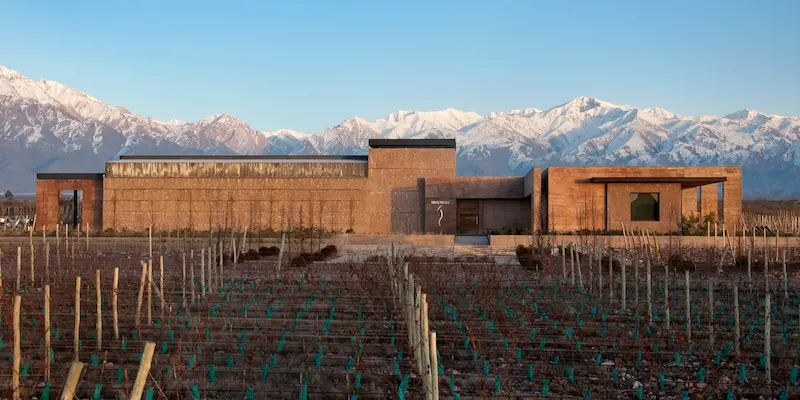
Diamandes | Uco Valle Sur | ~100 km | También forma parte de Clos de los Siete. De propiedad suiza. Conocida por sus elegantes vinos de Malbec y Cabernet de altura. Arquitectura minimalista. |
Alfa Crux (antes O. Fournier) | Uco Valle Sur | ~100 km | Finca de propiedad española con una arquitectura contemporánea impresionante. Produce la aclamada línea ‘Urban Uco’ y el vino ultra premium ‘B Crux’. |
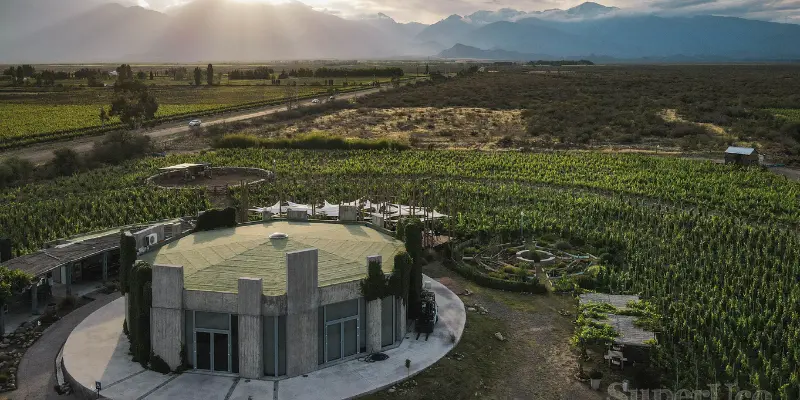
Super Uco | Uco Valle Sur | ~105 km | Una bodega boutique especializada en Malbec de altura de San Carlos. Producción limitada, visitas personalizadas. |
Giménez Riili | Uco Valle Sur | ~105 km | Un proyecto familiar conocido por su excelente restaurante-bodega y su formato de visitas íntimas. También cuenta con un hotel y cabañas para huéspedes en el mismo recinto. |
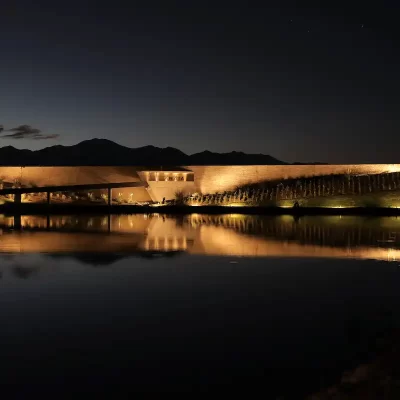
A diferencia de muchas regiones vinícolas, en Mendoza se trabaja con un sistema de reservaciones. La mayoría de las bodegas exigen reservar con antelación: para las degustaciones, suele bastar con 48 a 72 horas; para almuerzos o cenas, planifica con 1 a 3 semanas de antelación. Durante la temporada de vendimia (febrero-abril), las bodegas más populares se llenan rápido. Cuando haces un tour con SAK, nos encargamos de todas las reservaciones por ti.
Para que disfrutes al máximo, te recomendamos visitar como máximo 2 o 3 bodegas al día: así tendrás tiempo suficiente para pasear por los viñedos, degustar con calma y disfrutar de un buen almuerzo sin prisas. En el Valle de Uco, lo ideal es visitar 1 o 2 bodegas, ya que el trayecto desde la ciudad es más largo. En la región vinícola de Mendoza, la calidad siempre es mejor que la cantidad.
Mendoza es un desierto de gran altitud: el sol es intenso durante todo el año. Llévate protector solar (SPF 50), gafas de sol, un sombrero y zapatos cómodos para caminar, ya que el terreno de los viñedos es irregular. Una prenda ligera te vendrá bien para las tardes, incluso en verano. Y deja espacio en tu equipaje para las botellas: la mayoría de las bodegas venden directamente, incluyendo marcas que nunca llegan a los mercados de exportación.
Si tú o alguien de tu grupo tiene necesidades específicas de accesibilidad, contáctanos antes de reservar y te confirmaremos qué servicios ofrece cada bodega seleccionada. Los requisitos varían según la finca: algunas cuentan con áreas totalmente accesibles, mientras que otras tienen terrenos de viñedos que requieren una planificación previa. Estaremos encantados de ayudarte a organizar una jornada que se adapte a las necesidades de todos.
Temporada | Meses | Tiempo | Viñedos | Ideal para |
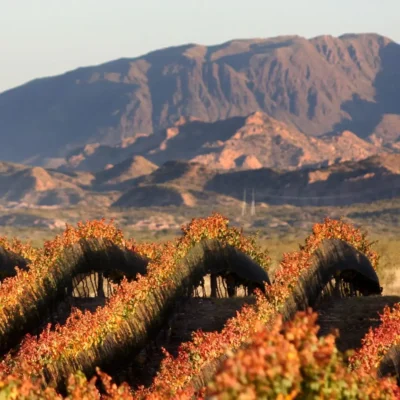
Otoño | marzo – mayo | 20–30 °C, noches templadas | La cosecha ya está en marcha, las hojas se tiñen de dorado y rojo, y las uvas cuelgan de las vides | Amantes del vino, experiencia de la vendimia, Festival de la Vendimia (principios de marzo) |
Invierno | Junio – agosto | Días fríos, sol frecuente, los Andes cubiertos de nieve | Viñas en letargo, con los Andes nevados como espectacular telón de fondo | Visitas tranquilas a las bodegas, temporada de esquí en Las Leñas, catas de barrica junto al fuego |
Primavera | sept. – nov. | 15–25 °C, época de floración | Las vides brotan y se vuelven verdes, hermosos paisajes de viñedos | El equilibrio perfecto entre clima, relación calidad-precio y ambiente: ideal para una primera visita |
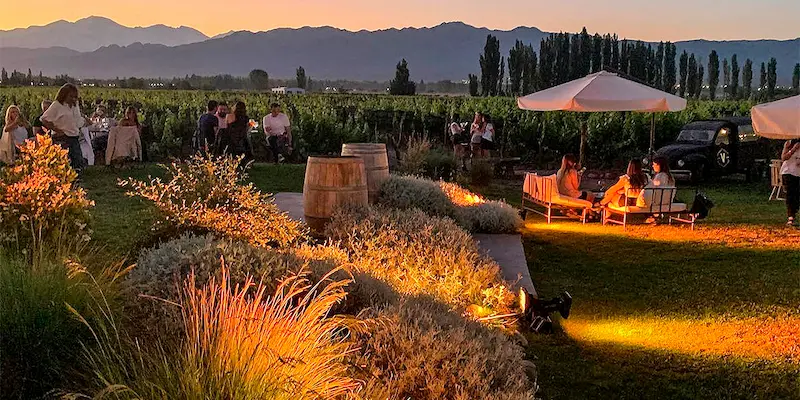
Verano | Dic – Feb | Días calurosos (entre 30 y 40 °C en la ciudad), más frescos en el Valle de Uco | Las vides están cargadas, las uvas crecen, la energía previa a la cosecha | Eventos al aire libre, cenas nocturnas en los viñedos; el Valle de Uco es especialmente agradable |
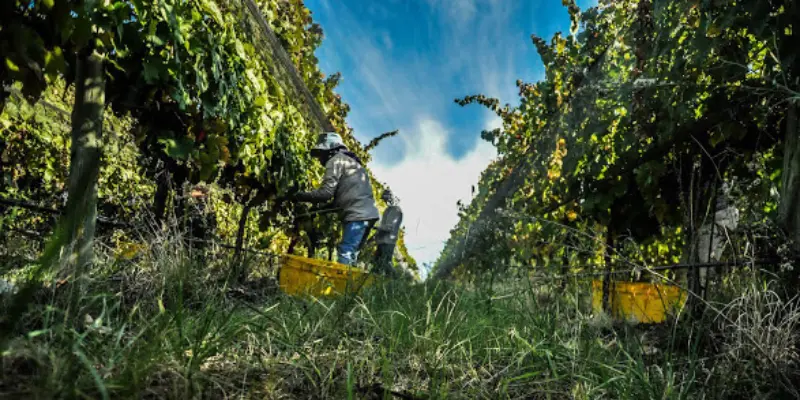
Los temporada de cosecha (marzo-abril) Se considera que es la época con más encanto para visitar la zona. Las bodegas están en pleno apogeo, y el Fiesta Nacional de la Vendimia A principios de marzo —reconocido por National Geographic como uno de los mejores festivales de la cosecha del mundo— el Anfiteatro Frank Romero Day se llena de música, carrozas y la coronación de la Reina de la Cosecha. También es el momento ideal para vivir rutas enológicas de lujo en Mendoza, cuando las fincas presentan sus actividades de cosecha más exclusivas.
Primavera (octubre-noviembre) es la opción más equilibrada: temperaturas agradables, viñedos en su máximo esplendor visual y menos gente que en la temporada de la vendimia. Mayo es el mes favorito de los locales por los colores otoñales y los precios más bajos. Las bodegas de Mendoza están abiertas todo el año: no hay una temporada mala, solo experiencias diferentes.
Te recomendamos visitar entre 2 y 3 bodegas al día para disfrutar de la mejor experiencia. Visitar más de tres puede resultar apresurado y no te deja tiempo suficiente para apreciar cada finca. En Luján de Cuyo o Maipú, un tour típico de día completo cubre cómodamente dos o tres fincas, incluyendo un almuerzo en la bodega. Para el Valle de Uco, planea visitar una o dos bodegas, ya que el viaje desde la ciudad es más largo. Nuestros tours están diseñados para que tengas tiempo de verdad en cada parada, no solo para tomar una copa rápida y seguir adelante.
Sí, para disfrutar de una experiencia de calidad, te recomendamos encarecidamente que reserves con antelación. La mayoría de las bodegas de primer nivel en Luján de Cuyo y el Valle de Uco exigen reserva previa, sobre todo en los restaurantes de las bodegas. Las bodegas más solicitadas se llenan con semanas de anticipación durante la temporada de vendimia (febrero-abril). Te recomendamos reservar con al menos 48-72 horas de anticipación para las degustaciones, y con 1-3 semanas de anticipación para los almuerzos en las bodegas. Cuando reservas un tour con SAK, nos encargamos de todas las reservas por ti.
Depende de tus prioridades. El Valle de Uco ofrece los paisajes andinos más espectaculares y algunas de las fincas más aclamadas del mundo; reserva un día completo para esta región. Luján de Cuyo es el corazón histórico del Malbec argentino, con un excelente equilibrio entre bodegas emblemáticas y facilidad de acceso desde la ciudad. Maipú es la opción más relajada y accesible, con una mezcla de grandes productores históricos y bodegas boutique. La mayoría de los visitantes combinan Luján de Cuyo y Maipú en un solo día, y luego dedican un día aparte al Valle de Uco.
De marzo a abril (temporada de vendimia) es la época más animada: bodegas en plena actividad, actividades de vendimia en algunas fincas y la Fiesta Nacional de la Vendimia a principios de marzo, una de las fiestas de la vendimia más importantes del mundo. De septiembre a noviembre (primavera) ofrece la mejor combinación de clima ideal, hermosos viñedos y una afluencia de visitantes más manejable. Las bodegas de Mendoza están abiertas todo el año, así que no hay una temporada mala, solo diferentes ambientes según lo que busques.
Por supuesto, y es una de las mejores formas de aprender a apreciar el vino. Nuestros guías bilingües adaptan sus explicaciones a todos los niveles de conocimiento, desde principiantes absolutos hasta aficionados experimentados. Tanto si acabas de empezar a explorar el mundo del vino como si quieres profundizar en el terruño y las técnicas de elaboración, te recomendaremos las bodegas y la experiencia que mejor se adapten a ti.
Lo mejor es empezar por saber qué tipo de experiencia buscas: arquitectura espectacular y nombres emblemáticos, visitas a bodegas boutique más íntimas, maridajes de comida y vino, actividades de vendimia o una región específica de la provincia. Como operador local, trabajamos con una selección de bodegas asociadas en las tres regiones y podemos recomendarte la combinación ideal según tus intereses, fechas de viaje y grupo. Echa un vistazo a nuestro directorio de bodegas o contáctanos y te diseñaremos un itinerario a tu medida.