



Sweet flavours of Mendoza
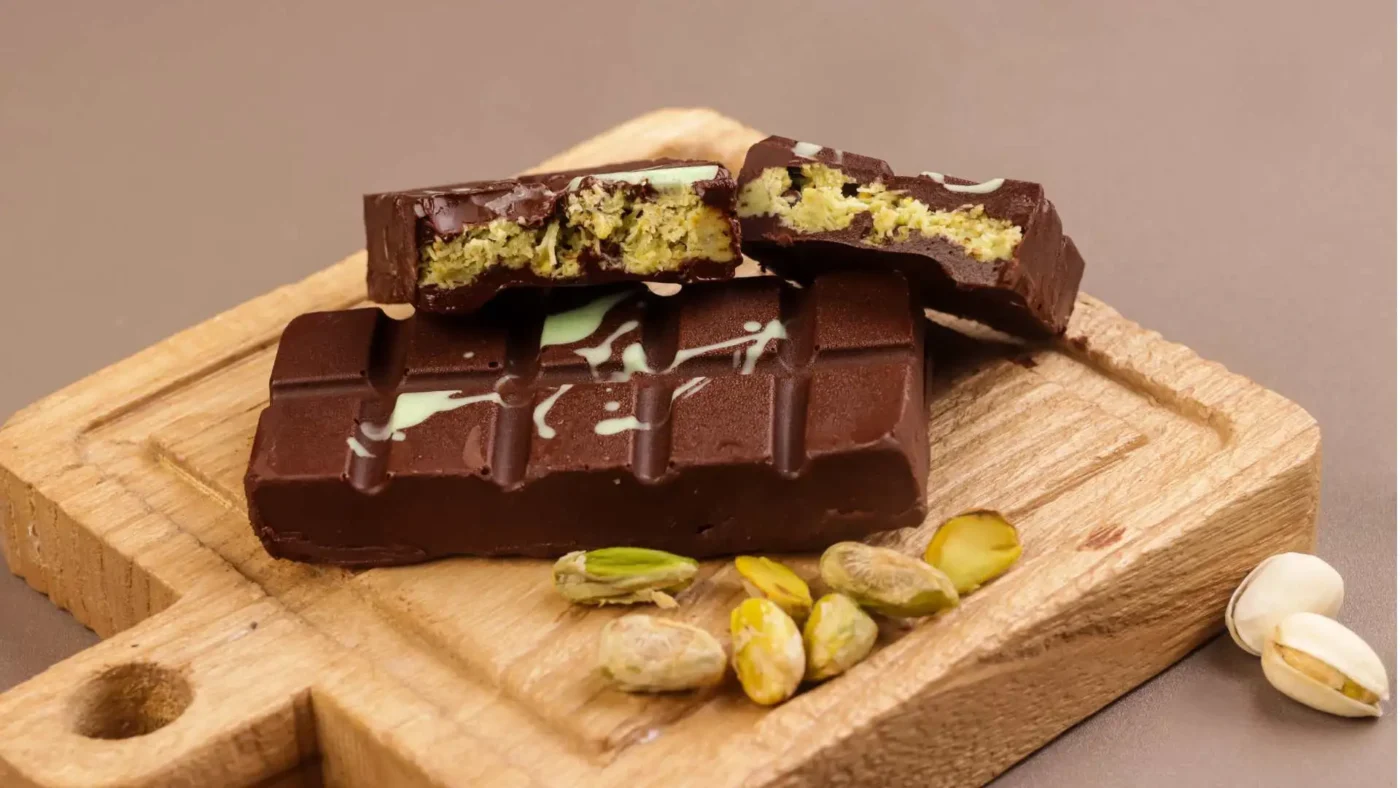
Chocolate tours in Mendoza take you into one of Argentina’s most surprising artisan food scenes — a world of small-batch chocolatiers who blend European craftsmanship with locally sourced Andean ingredients. Nestled between the foothills of the Andes and the wine valleys of Luján de Cuyo and Maipú, the region has quietly built a reputation that goes far beyond Malbec. Here, sun-dried fruits, Andean walnuts, and the same terroir-driven intensity that defines the local wine culture find their way into every piece of chocolate.
TOP CHOCOLATE MENDOZA TOURS

Tasting Experience
For travelers who love combining flavors, Mendoza’s chocolate experience pairs naturally with its renowned wine, olive oil, and craft spirits scene. Whether you’re exploring a chocolatier’s tasting room after a winery visit in Maipú, or building a full “Route of Flavors” day across multiple producers, the province offers a genuinely unique culinary adventure. As a local operator, in SAK Wine & Travel we can help you design a custom day that weaves chocolate into the broader Mendoza experience.
REQUEST A QUOTEMendoza Chocolate Tours: What to Expect
A chocolate tour in Mendoza is a relaxed, sensory-led experience — typically a half-day (3–4 hours) or full-day outing (6–8 hours) that takes you to one or more artisan producers in the city or surrounding wine regions. Unlike factory tours at industrial chocolatiers, Mendoza’s artisan stops are intimate: small tasting rooms, guided tastings with the makers themselves, and the chance to watch production up close.
Most chocolate experiences in Mendoza are concentrated in the city center and in the departments of Maipú and Luján de Cuyo — the same zones where you’ll find the majority of the region’s bodegas and olive oil producers. This proximity is what makes multi-stop “flavors of Mendoza” days so practical and rewarding.

What a Typical Chocolate Tour Day Looks Like
- Morning: Visit one or two artisan chocolatiers in the city center (1.5–2 hours including tasting)
- Late morning: Transfer to Maipú or Luján de Cuyo to visit a winery or olive oil producer
- Lunch: Wine-and-chocolate pairing at a bodega, or a regional spread at an olive oil mill
- Afternoon: Additional winery stop, a craft distillery, or a guided tasting class
- Return to the city with locally made chocolates to take home
Tours are available for solo travelers, couples, and small groups. Most chocolatiers in Mendoza welcome walk-in visits during opening hours, but combining stops with a winery and an olive oil mill in the same day requires some planning — especially to coordinate transport across departments.
Traveler Favorites
DAY TOURS
PACKAGES
WINE TOURS
Our Most Loved Experiences
HIGH MOUNTAIN
CITY TOURS
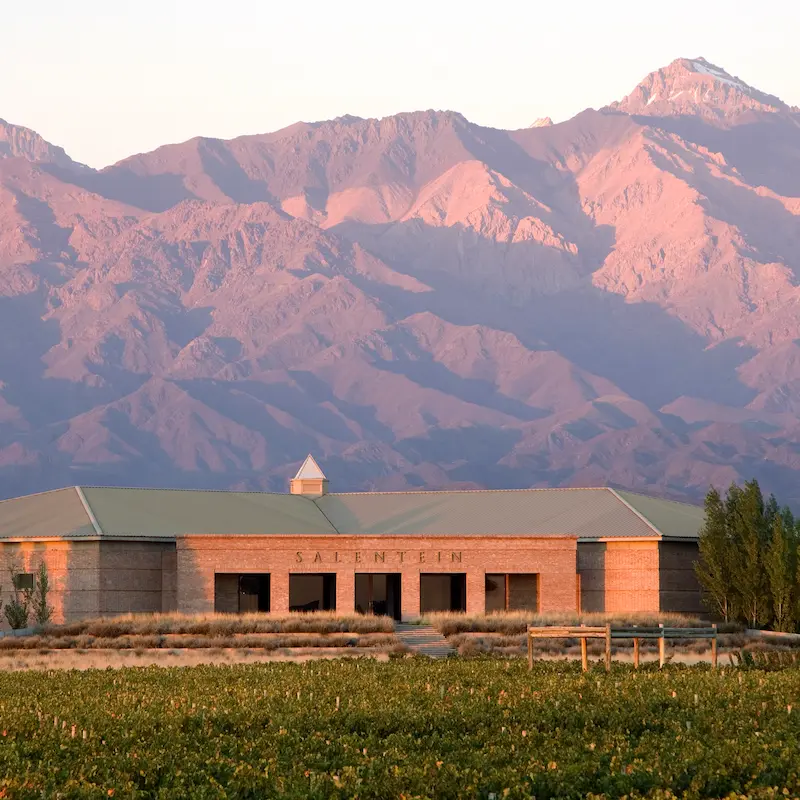
UCO VALLEY
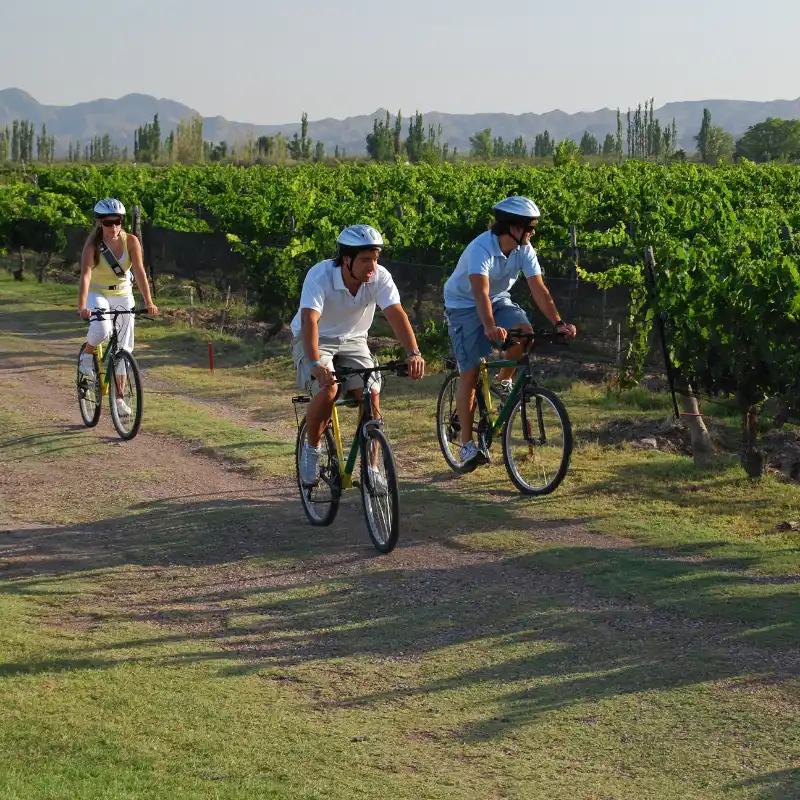
BIKE WINE TOURS

RAFTING
VILLAVICENCIO
LOOKING FOR PACKAGES?
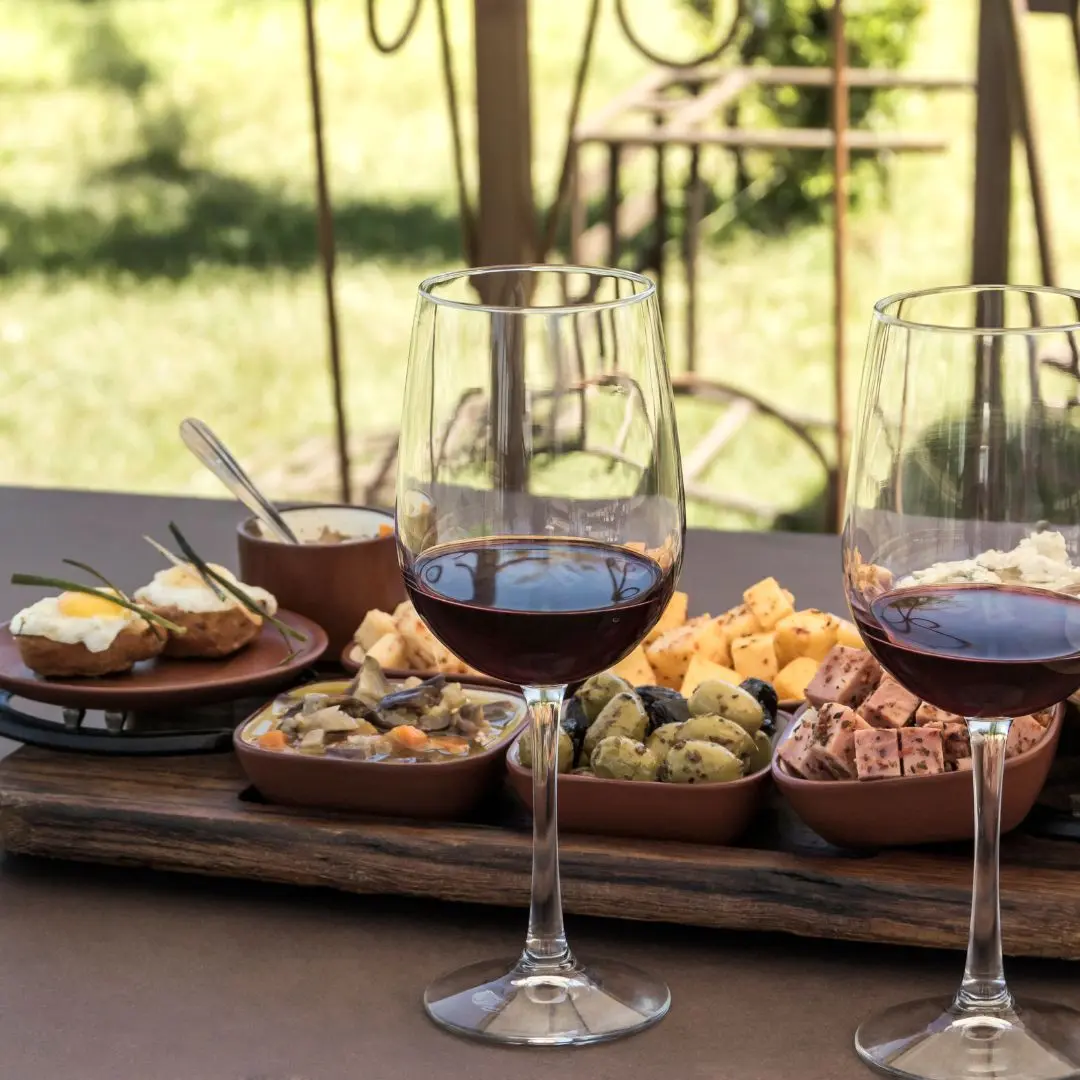
LUXURY WINE VACATION

ADVENTURE

3-DAY PACKAGES
Artisanal Chocolatiers of Mendoza
Mendoza may not be the first city you think of when it comes to artisan chocolate, but the local scene is serious, diverse, and deeply tied to the region’s culinary identity. Below are the three chocolatiers most frequently visited by travelers exploring the city’s artisan food circuit.
Chocolezza — A Family Legacy Since 1979
If there is one name synonymous with Mendoza chocolate, it is Chocolezza. Founded in 1979 as a family business, Chocolezza has grown into one of Argentina’s most recognized artisan chocolate brands without losing the character that made it special. Their production facility in Mendoza welcomes visitors for free tastings, and the range — over 40 varieties of chocolates and alfajores — is a genuine reflection of local taste: rich dulce de leche fillings, high-percentage cacao bars made without preservatives or additives, and special lines including TACC-free and diabetic-friendly options.
More than 120 employees work in production today, and the brand has won recognition both in Argentina and internationally for its 100% cacao products. For tourists, the factory visit is one of Mendoza’s most accessible and satisfying stops: you can taste before you buy, and the alfajores make excellent gifts to take home.
Chocolatería Bianco y Nero — European Craft Meets Mendoza
Founded in 1998 by Daniel Uccelli and Viviana Grondona, Bianco y Nero started as a small chocolate and confectionery shop with a clear philosophy: quality ingredients, no shortcuts, and a genuine passion for cacao. The name itself is an homage to the contrast between white and dark chocolate — the two poles of the craft. The founders were introduced to the world of cacao by a Patagonian artisan and later trained with a Swiss master chocolatier, a background that shows in the precision and elegance of their products.
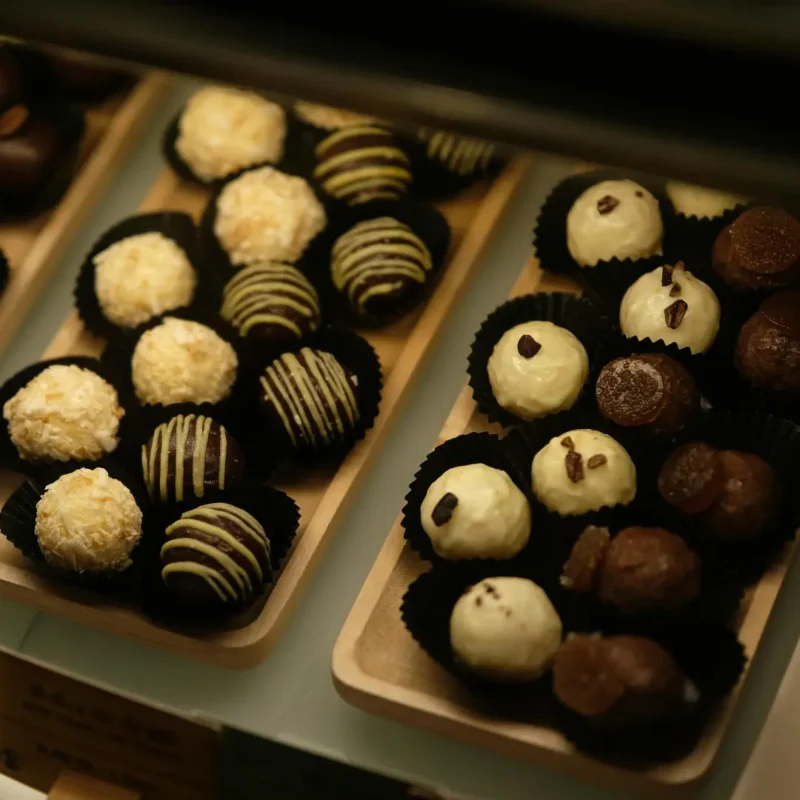
Today, Bianco y Nero operates five locations across Mendoza, including its flagship store at Arístides Villanueva 144 in the city center, plus branches in Luján de Cuyo, Chacras de Coria, and Godoy Cruz. The range spans truffles, bombones, chocolate bars filled with local nuts, and turrón with almonds, hazelnuts, and pistachios. The shop also offers catering services and courses for those interested in learning the craft firsthand.
Habas Negras — Belgian Chocolate, Mendoza Soul
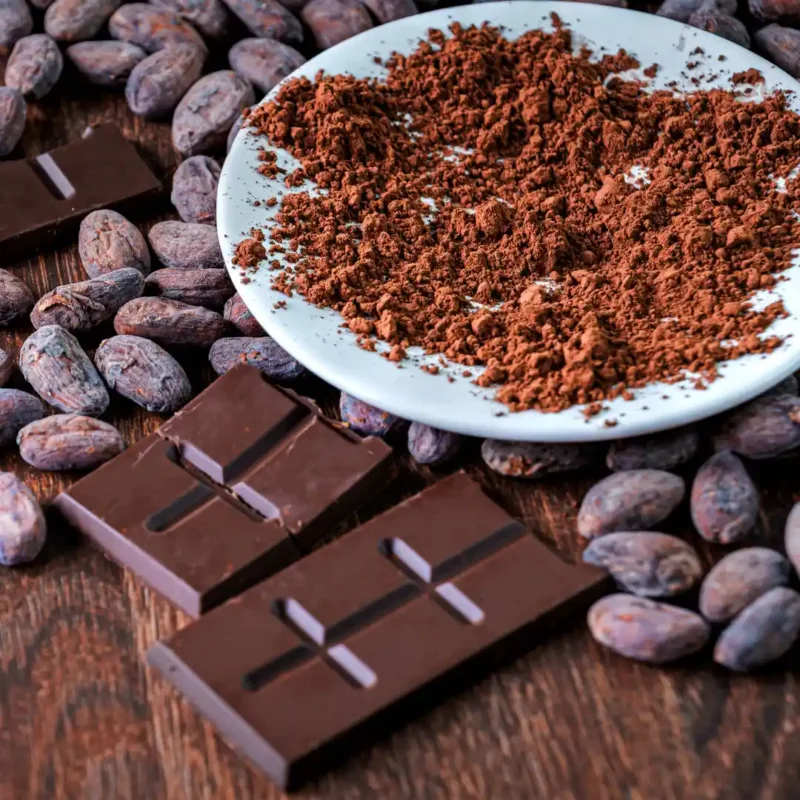
The name “Habas Negras” (Black Cacao Beans) is a tribute to the raw material at the heart of the craft. Founded by pastry chef Miguel Romano alongside two partners, Habas Negras takes a distinctly artisan approach: every bombón is made using pure Belgian couverture chocolate — no hydrogenated oils, no artificial preservatives, and a shelf life of just 25 days, which is precisely the point. Their fillings are based on a ganache made from the same Belgian chocolate used for the shells, meaning up to 80% of each piece is pure chocolate.
The range includes over 18 flavors of bombones, 7 varieties of truffles, and a selection of solid and nut-filled bars in twelve combinations. Stand-out flavors include dulce de leche and dark rum, passion fruit with white chocolate, and pistachio with white chocolate. The shop is located at Avenida Perú 1052, Ciudad de Mendoza. Habas Negras also offers personalized gift boxes, making them a natural stop when combining a chocolate visit with a winery day trip.
Quick comparison of Mendoza’s three main artisan chocolatiers:
Chocolatier | Founded | Specialty | Locations in Mendoza |
Chocolezza | 1979 | Alfajores, 100% cacao bars, TACC-free options | Factory + store, Mendoza City |
Bianco y Nero | 1998 | Truffles, bombones, nut-filled bars, turrón | 5 locations across Greater Mendoza |
Habas Negras | c. 2014 | Belgian couverture bombones, ganache truffles | Av. Perú 1052, Ciudad de Mendoza |

The Route of Flavors: Chocolate, Wine & Olive Oil in Mendoza
Mendoza’s culinary identity is built on three pillars: wine, olive oil, and artisan food. Combine all three in a single day — a concept locals call the “Route of Flavors” — and you have one of the most distinctive food and drink experiences available anywhere in South America. No other region in Argentina, and few in the world, offers the proximity between world-class wineries, cold-press olive oil mills, artisan distilleries, and craft chocolatiers within a single department.
The Route of Flavors is not a fixed itinerary or a packaged tour — it is a way of thinking about a Mendoza day. In practice, it typically unfolds across Maipú or Luján de Cuyo, where vineyards, olive groves, and artisan producers sit within minutes of each other.
Wine + Chocolate: The Classic Mendoza Pairing
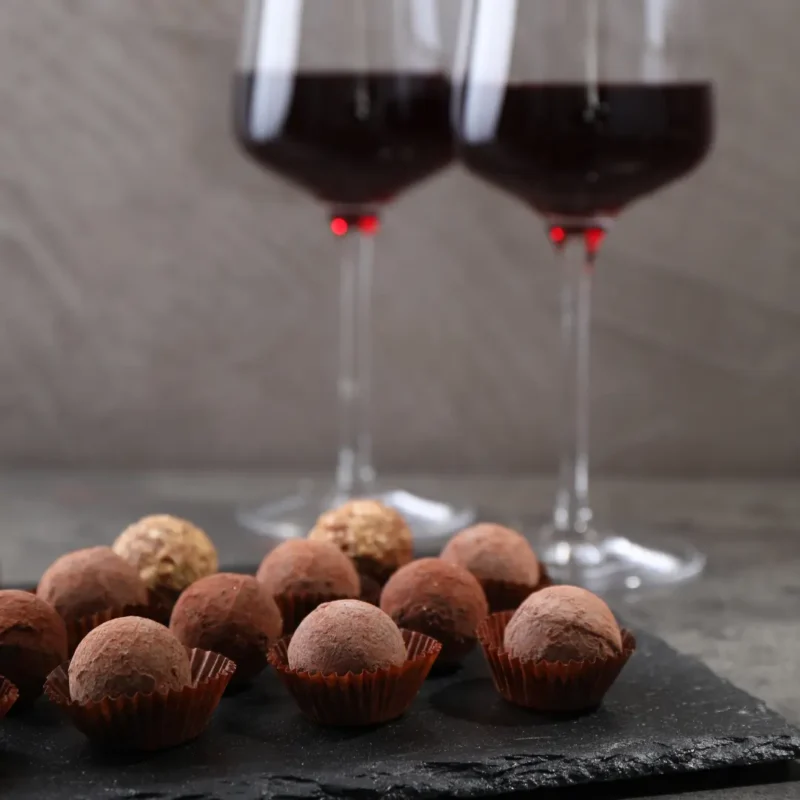
The pairing of Mendoza Malbec with dark chocolate is not just a marketing concept — it has genuine sensory logic. High-altitude Malbec from Luján de Cuyo and the Uco Valley tends toward dark fruit, structured tannins, and earthy notes that align naturally with the bitterness and complexity of 70%+ cacao. The combination softens the tannins and amplifies the fruit-forward character of both.
For a guided chocolate-wine pairing experience, local chocolatiers like Habas Negras explicitly recommend pairing their semi-bitter (54.5% cacao) or dark (70% cacao) bombones with Malbec, Cabernet Sauvignon, or Merlot. Some bodegas in Maipú and Luján de Cuyo have begun incorporating chocolate tastings into their winery visits, creating a natural bridge between the wine tour circuit and the chocolate experience.
Olive Oil + Chocolate: A Less Expected Combination
High-quality extra virgin olive oil and dark chocolate share more than richness — both have complex polyphenol profiles, grassy or fruity aromas, and a finish that lingers. Drizzling an intense, peppery Mendoza EVOO over a piece of semi-bitter chocolate is a combination that has become a signature of the Route of Flavors experience, and one that surprises almost everyone who tries it.
Mendoza’s olive oil production is centered in Maipú, where the Arauco variety — native to Argentina — produces oils with a distinctively robust and fruity profile. SAK’s olive oil tours in Maipú can be combined with a chocolatier stop the same day, creating a genuine “cold-press to cacao” tasting itinerary.
Craft Spirits + Chocolate: The Emerging Third Leg
Mendoza’s craft distillery scene — driven by producers like Hilbing in Luján de Cuyo — has created a third axis for the Route of Flavors. Gins, grappas, and craft spirits produced from Mendoza’s surplus wine grapes pair exceptionally well with milk chocolate and ganache-filled bombones. The contrast between the botanical intensity of a high-quality gin and the creaminess of a Swiss-style bonbon is a combination that local sommeliers and chocolatiers have started exploring together.
For travelers who want to include a craft spirits stop alongside wine and chocolate, Luján de Cuyo offers the highest concentration of producers within a short driving circuit. As a local operator, SAK can help put together a full-day itinerary that covers all three.

Artisanal Chocolatiers of Mendoza
Meet the local masters blending Andean ingredients with European techniques to create unforgettable chocolates.

Wine & Chocolate Pairing Sessions
Enhance your Mendoza chocolate tour with tastings that match rich cocoa with the region’s finest wines.

Gourmet Chocolate Gift Shops
Take a piece of Mendoza home—explore boutique shops offering beautifully packaged, locally-made chocolate treasures.
Frequently Asked Questions About Chocolate Tours in Mendoza
What is included in a chocolate tour in Mendoza?
A chocolate tour in Mendoza typically includes guided visits to one or more artisan chocolatiers, tasting sessions with a selection of their products (usually 4–8 pieces including bombones, truffles, and bars), and an explanation of the production process. Many tours also include transport between stops. When combined with a wine or olive oil visit — which is the most common configuration — tastings at the winery or mill are also included. Chocolatier visits in Mendoza city are generally free of charge; specialized tasting sessions or pairing experiences at premium producers may have a fee. It is always best to confirm inclusions when booking a multi-stop day.
Can I combine a chocolate tour with a wine tour in Mendoza?
Yes — and this is actually the most popular way to experience Mendoza’s chocolate scene. The main artisan chocolatiers in the city are a natural complement to a half-day or full-day winery visit in Maipú or Luján de Cuyo. A common itinerary begins with a chocolatier visit in the city in the morning, followed by two or three winery stops in the afternoon. Alternatively, some travelers prefer to include a chocolate tasting at the end of a winery day as a sweet finish. For the most seamless experience, booking transport for the full day and planning the route in advance is strongly recommended — the distances between city chocolatiers and Maipú or Luján de Cuyo wineries can add up without a driver.
How long do chocolate tours in Mendoza last?
A standalone chocolatier visit in Mendoza — one stop, walk-in tasting — takes around 45 minutes to 1.5 hours. A multi-chocolatier walk through the city center, hitting Bianco y Nero, Chocolezza, and Habas Negras, can be done in about 3 hours including transport between stops. When chocolate is combined with wine or olive oil experiences in Maipú or Luján de Cuyo, a full day (7–8 hours) is realistic and recommended to avoid feeling rushed. Half-day combinations (3–4 hours) are possible if you limit the stops to two or three producers.
Is Mendoza known for chocolate?
Mendoza is primarily known internationally for its Malbec wine and the Andes, but within Argentina it has a genuine and growing reputation for artisan chocolate. The province hosts several award-winning chocolatiers whose products are distributed across the country and have earned recognition in international competitions. The cold, dry climate of the Andean foothills — similar in some respects to the alpine conditions associated with European chocolate-making traditions — creates excellent conditions for working with chocolate and storing sensitive ingredients like cacao and nuts. The availability of high-quality local ingredients (Andean walnuts, dried fruits, Arauco olive oil, and Malbec wine for pairings) has given Mendoza’s chocolate scene a distinctly regional character that you won’t find anywhere else.