Wineries in Mendoza: the complete guide to choosing and booking your tour


Mendoza has more than a thousand registered wineries, but the real question isn’t how many there are, it’s which ones are worth your time based on what you’re after: a technical tasting with the winemaker, a lunch among the vineyards with a view of the mountains, or simply a relaxed afternoon sipping Malbec with no rush. This guide brings together more than 150 wineries we have visited, organized by region, so you can build a plan that makes sense for the days you have and the kind of experience you want. If you’d rather have someone else handle the logistics, we coordinate transfers, reservations and the full itinerary.
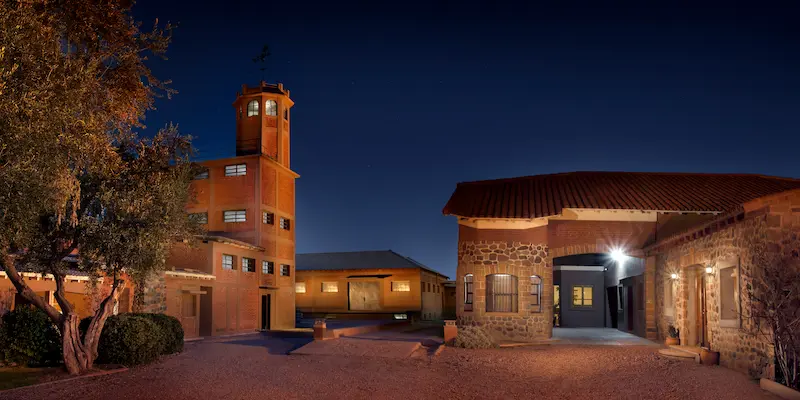
Mendoza is divided into five wine regions with quite different personalities. Luján de Cuyo is the closest to the city and concentrates historic wineries alongside high-end boutique projects. Maipú has the most accessible circuit by bicycle, with short distances between wineries and a more informal atmosphere. The Uco Valley, an hour and a half from the capital, is where the most interesting things are happening in terms of vineyard altitude and winery architecture, although it requires more travel time. San Rafael is about three hours away and works better as a multi-day destination than as a day trip. Guaymallén, closer to downtown, has traditional wineries with fewer tourists.
We chose to group the list by region rather than alphabetically because that lets you plan by geographic area: if you only have one day, it makes more sense to focus on Luján de Cuyo or Maipú than to try to cover several regions that are far apart.
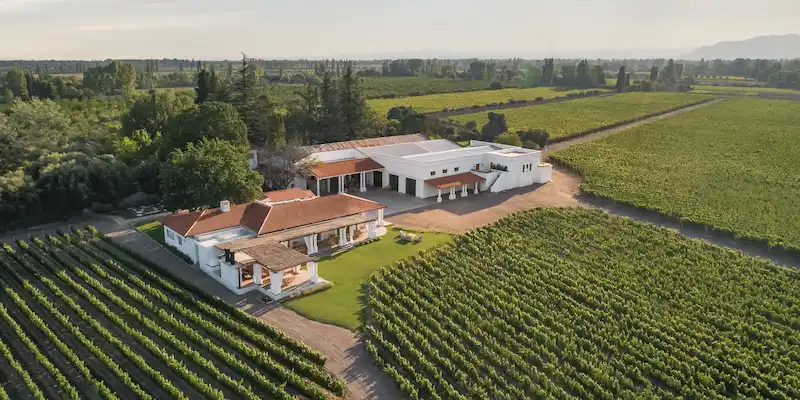
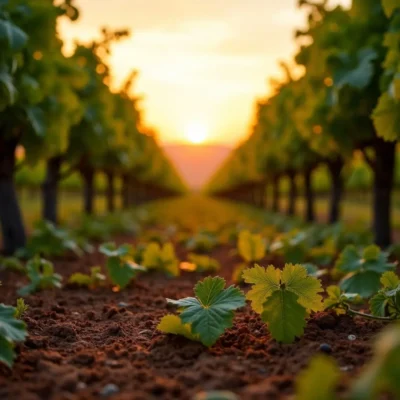
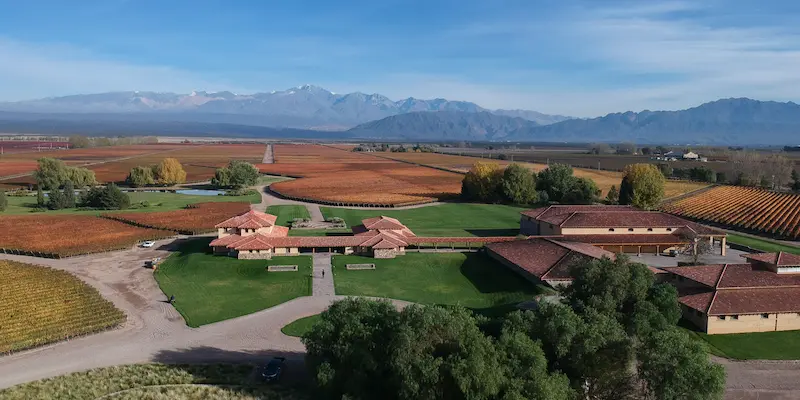
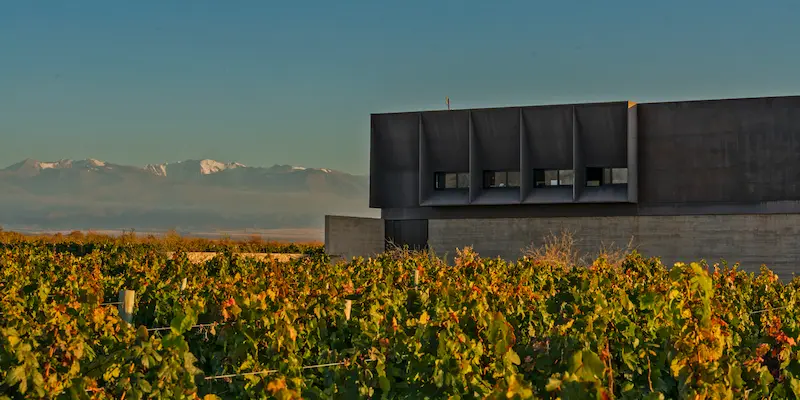
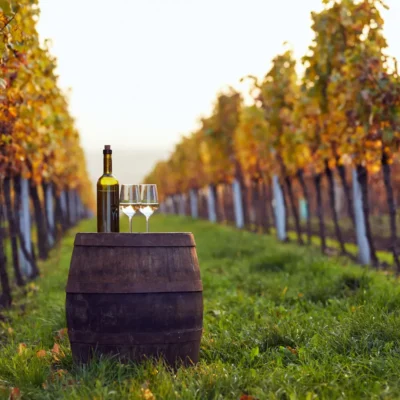
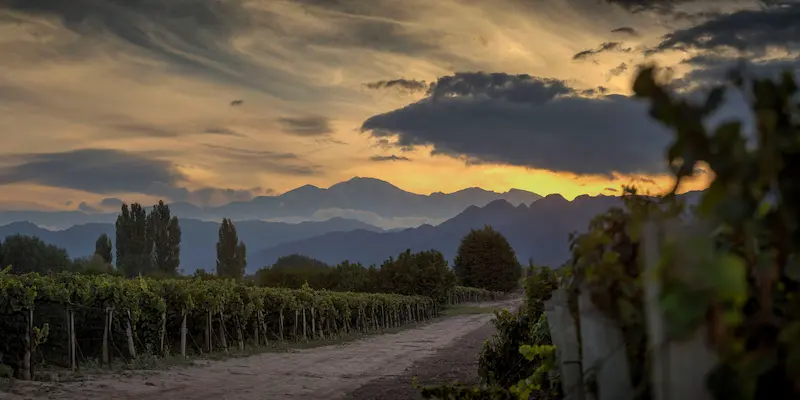
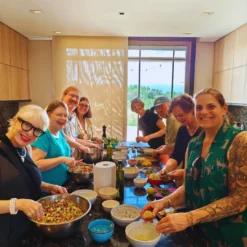
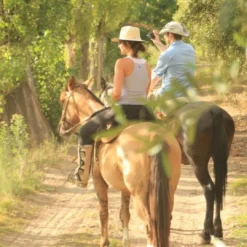
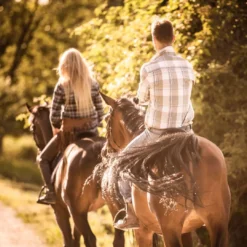
Tasting wine at a Mendoza winery can mean very different things depending on where you go. Some wineries put together multi-course lunches paired with their own labels, cooked by chefs who work only with local produce. Others offer horseback rides through the vineyard before you sit down to taste the wines, or sunset rides with the mountains in the background, which in autumn become especially striking among the yellow vine leaves.
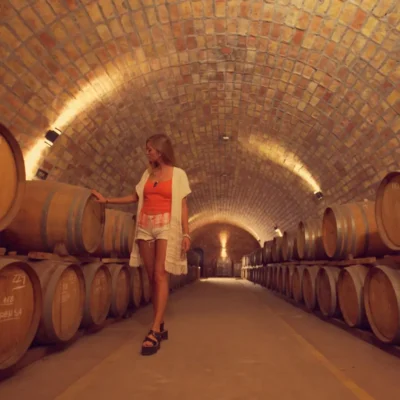
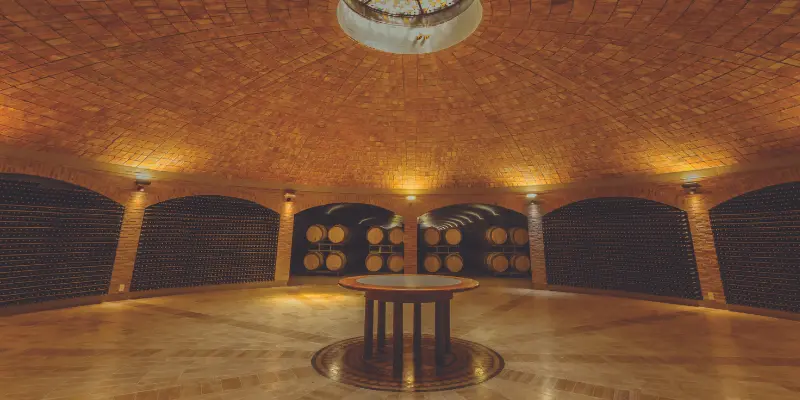
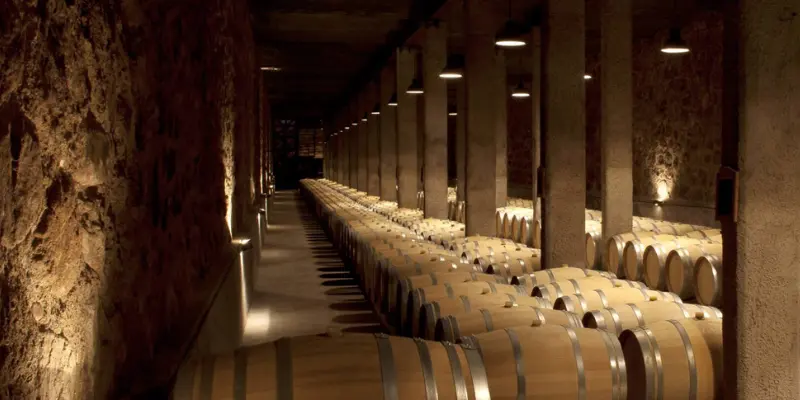
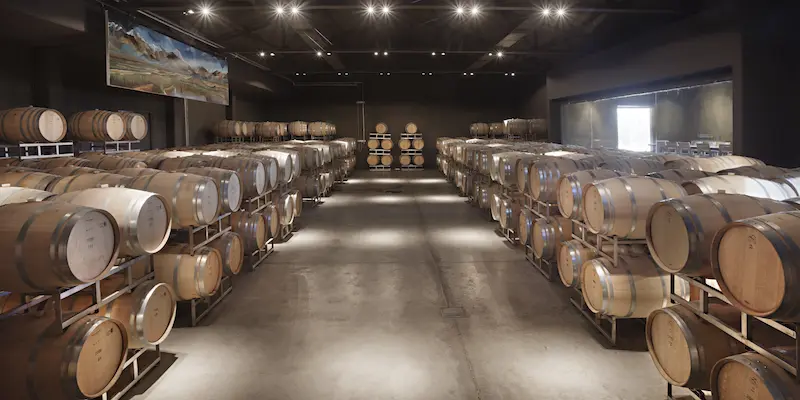
Then there are the more technical wineries, designed for people who want to understand the process: vertical tastings of the same Malbec across different vintages, barrel room tours explaining the toasting of the oak, or blending sessions where you create your own blend with the winemaker guiding you. And for those traveling with children, or who simply prefer a more relaxed pace, there are options with outdoor spaces, games and menus designed for the whole family, without giving up wine quality.
What we always recommend is not trying to fit too many wineries into a single day. Three well-spaced visits, with lunch included at one of them, are far more rewarding than five rushed tastings where you end up unable to tell one wine from another.
Cooking Classes
Sustainable Tours
4-Day Package. City and Wineries in Mendoza – 100% Sustainable Route
Mendoza Tours
Cooking Classes
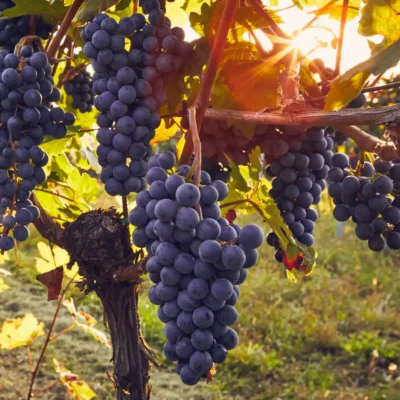
Harvest runs from February to April and is the busiest season: wineries are in full harvest, some open their winemaking processes to visitors, and there are celebrations across the province, especially in March with the Fiesta Nacional de la Vendimia. The Mendoza winter, from June to August, is quieter and wineries tend to have fewer tourists, which means more personalized, unhurried visits, although it is cold and some outdoor activities are limited. Spring, from September to November, is probably the best balance between pleasant weather and vineyards beginning to bud.
Season | Months | Weather | Vineyards | Best for |
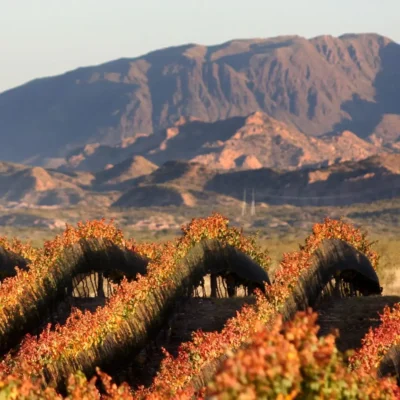
Autumn | Mar – May | 20–30°C, mild evenings | Harvest underway, leaves turning gold-red, grapes on the vine | Wine lovers, harvest experience, Vendimia festival (early March) |
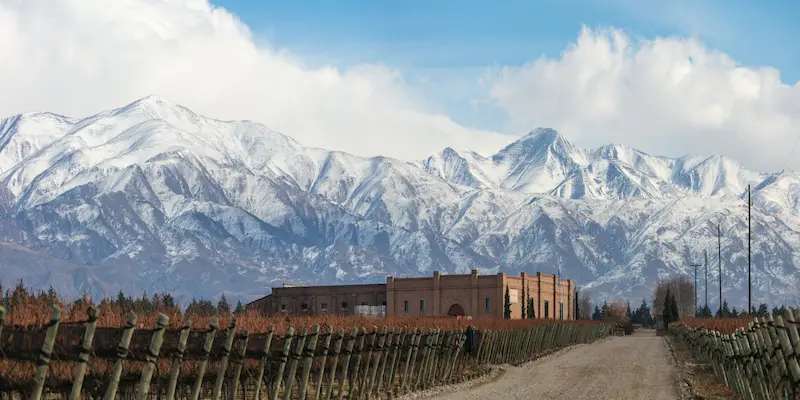
Winter | Jun – Aug | Cold days, frequent sun, Andes snow-capped | Vines dormant, dramatic snowy Andes backdrop | Quiet cellar visits, ski season at Las Leñas, barrel tastings by the fire |
Spring | Sep – Nov | 15–25°C, blossom season | Vines budding and greening, beautiful vineyard landscapes | Ideal balance of weather, value, and atmosphere — excellent for first visits |
Summer | Dec – Feb | Hot days (30–40°C in city), cooler in Uco Valley | Vines full, grapes developing, pre-harvest energy | Outdoor events, evening vineyard dinners, Uco Valley especially pleasant |
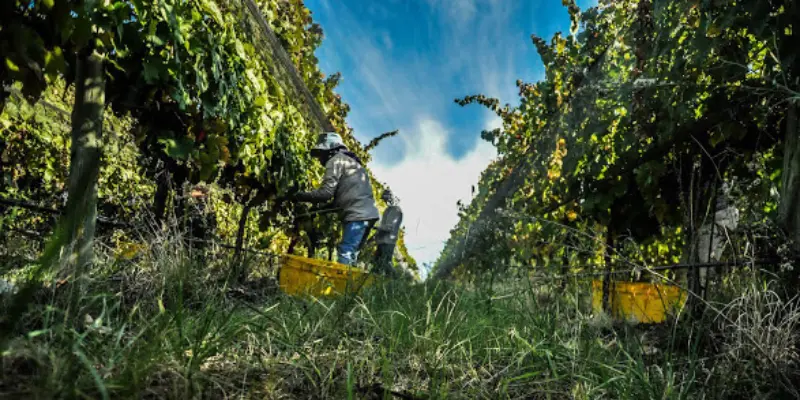
The harvest season (March–April) is widely considered the most atmospheric time to visit. Wineries are at their most active, and the Fiesta Nacional de la Vendimia in early March — recognized by National Geographic as one of the world’s best harvest festivals — fills the Frank Romero Day Amphitheatre with music, floats, and the crowning of the Harvest Queen. It’s also the ideal moment to experience luxury wine tours in Mendoza, when estates showcase their most exclusive harvest activities.
Spring (October–November) is the most balanced option: pleasant temperatures, vineyards at their most visually striking, and fewer crowds than harvest season. May is a local favorite for autumn colors and lower prices. Mendoza’s wineries are open year-round — there is no wrong season, only different experiences.
Mendoza’s wine country isn’t one place, it’s three distinct territories, each with its own character, altitude, and style. Understanding the differences between regions is the first step to planning a visit that genuinely matches what you’re looking for.
Luján de Cuyo sits at elevations between 800 and 1,200 meters above sea level, just south of Mendoza city. This is the region that built Argentina’s wine reputation: the first appellation of origin in the country, home to some of the oldest Malbec vines in the world, and the address of many of the estates that put Argentine wine on the international map.
The combination of intense Andean sun, low humidity, and the Mendoza River’s irrigation canals creates conditions that produce wines of remarkable concentration and depth. Malbec dominates, but you’ll also find excellent Cabernet Sauvignon, Chardonnay, and Bonarda across the region’s varied sub-zones, from the gravelly soils of Agrelo to the clay-rich terroir of Vistalba and Perdriel.
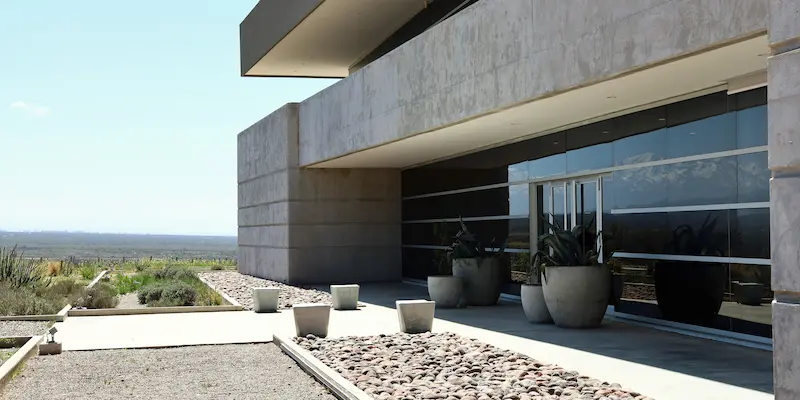
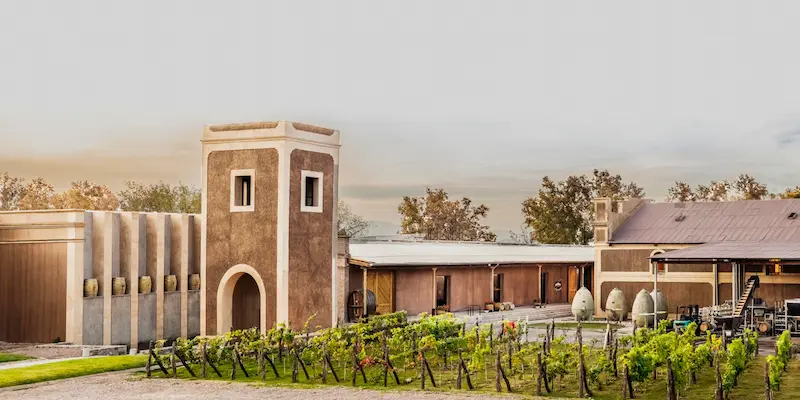
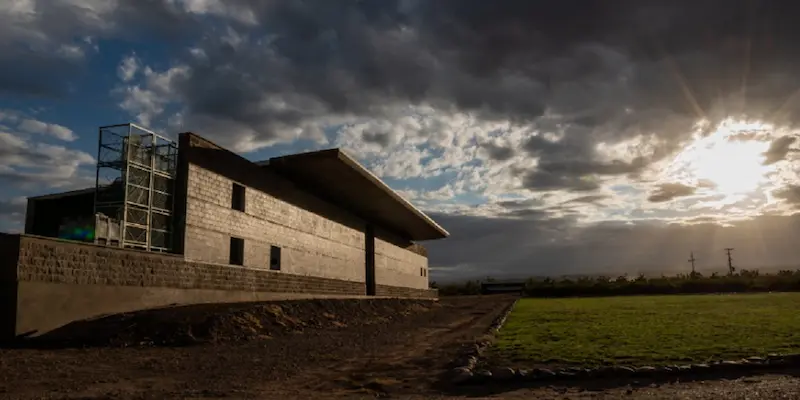
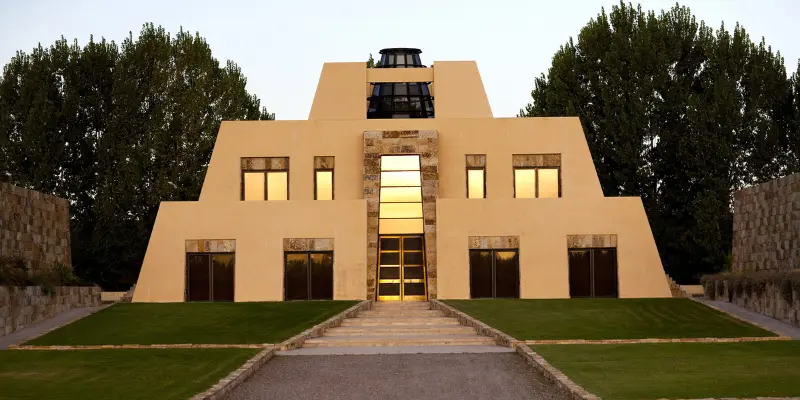
Architecturally, Luján de Cuyo contains some of Mendoza’s most iconic wineries. Catena Zapata’s Mayan pyramid rising from the vineyards has become the region’s landmark image. The zone also concentrates an exceptional density of world-class winemakers-names like Viña Cobos, Paul Hobbs’ Argentine project, alongside family estates that have been producing for generations.
Some of the SAK partner wineries we work with in Luján de Cuyo: Catena Zapata, Viña Cobos, Susana Balbo (Dominio del Plata), Achaval Ferrer, Ruca Malen, Lagarde, Finca Decero, Alta Vista, Kikén, Pulenta Estate, Bressia, Renacer, Nieto Senetiner, Clos de Chacras, Chandon, Piatelli, Belasco de Baquedano, Carmélo Patti, Familia Blanco, Benegas, and more.
Maipú is the closest wine region to Mendoza city, sitting at slightly lower elevations than Luján de Cuyo. It’s also where organized wine tourism in the province began the network of wineries, olive oil producers, and country roads that make up Maipú’s wine circuit was one of the first in Argentina to open systematically to visitors.
The zone is known for its accessible character: a mix of large historic producers and smaller boutique wineries, most concentrated enough to visit several in a single day. The soils here — sandy loam over clay — produce wines that tend toward elegance and freshness rather than the power of higher-altitude zones. Malbec, Tempranillo, and Bonarda all perform well, and the region has a long history of traditional winemaking passed down through immigrant families.
Maipú is also the region where SAK runs its bike-through-vineyards tours, a unique way to move between wineries along quiet country roads, pedaling through olive groves, vineyards, and historic estates at your own pace. The area also lends itself well to wine and chocolate pairing tours, adding a gourmet dimension to the classic wine experience.
Some of the SAK partner wineries we work with in Maipú: Luigi Bosca (Finca El Paraíso), El Enemigo, Trapiche, Tempus Alba, Trivento, Mil Suelos, Zuccardi Santa Julia, CarinaE, Benegas, AMP de Karim Mussi, and more.
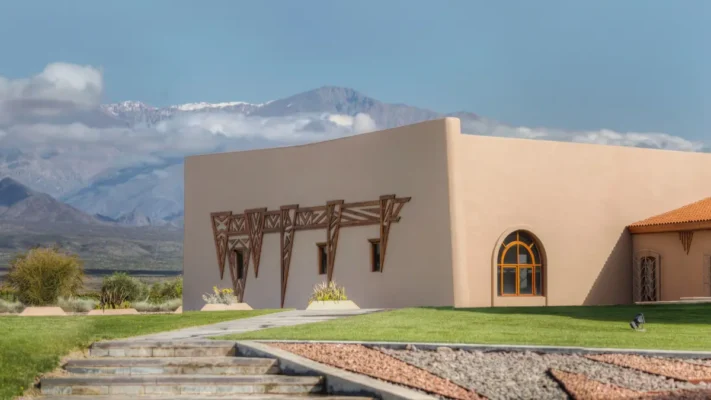
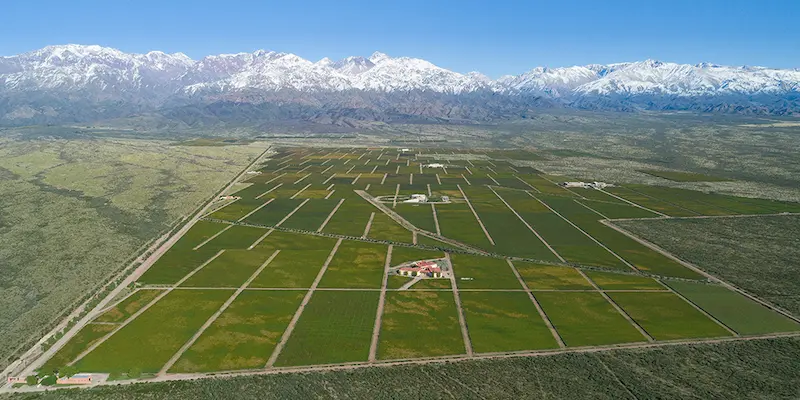
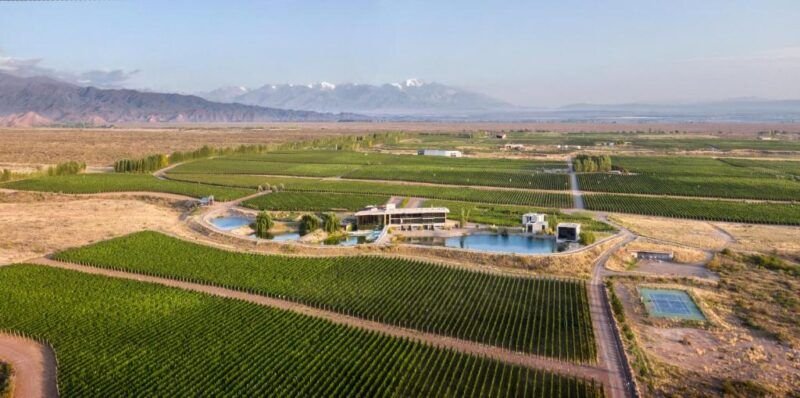
Valle de Uco is Mendoza’s most dramatic wine region, and over the past two decades, it has emerged as one of the most exciting wine territories in the world. Located 80–100 km south of the city at altitudes between 1,000 and 1,500 meters, the Uco Valley produces wines of extraordinary freshness, precision, and complexity that have caught the attention of sommeliers and critics globally.
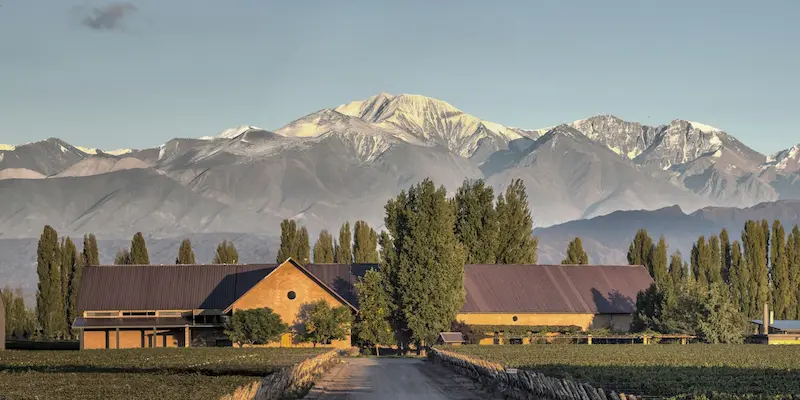
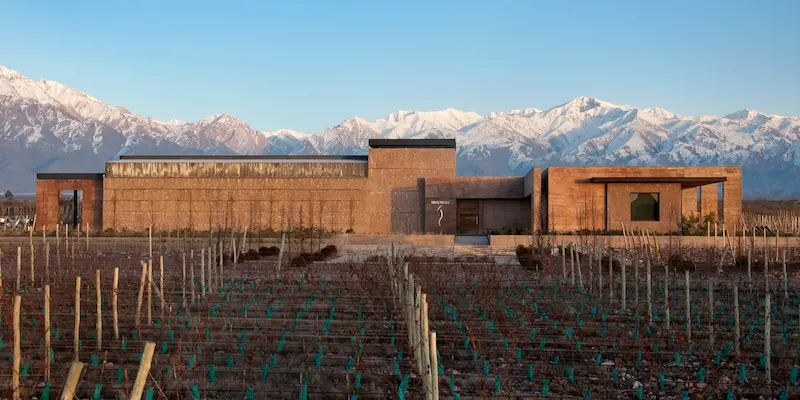
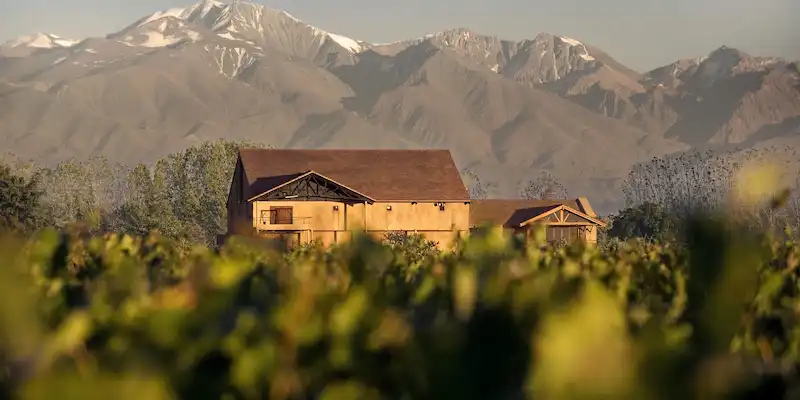
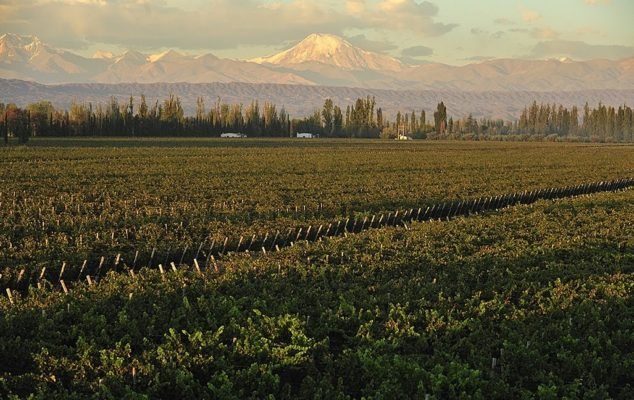
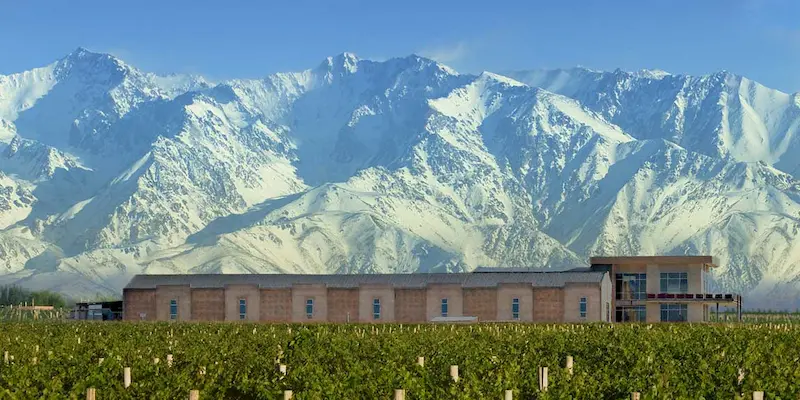
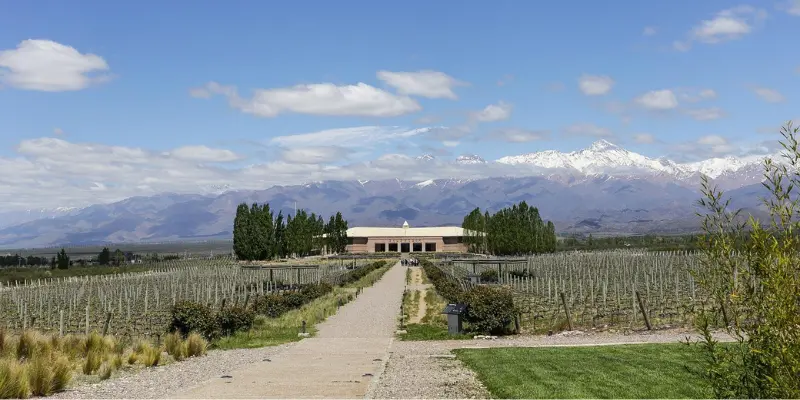
The Andes are closer here and they look it. Vineyards run up toward the foothills with snow-capped peaks framing every view. The days are sunny and warm; the nights drop sharply, preserving natural acidity in the grapes. The soils, limestone, alluvial gravel, sandy loam, vary significantly across the valley’s three main sub-zones: Tupungato, Tunuyán, and San Carlos.
This is where Mendoza’s most ambitious wine architecture has taken root. Zuccardi Valle de Uco, named the World’s Best Winery multiple times, sits here, as do landmark estates across the valley. A dedicated Uco Valley day is the most scenically spectacular winery experience Mendoza offers. Given the longer drive from the city, it works best as its own full-day itinerary.
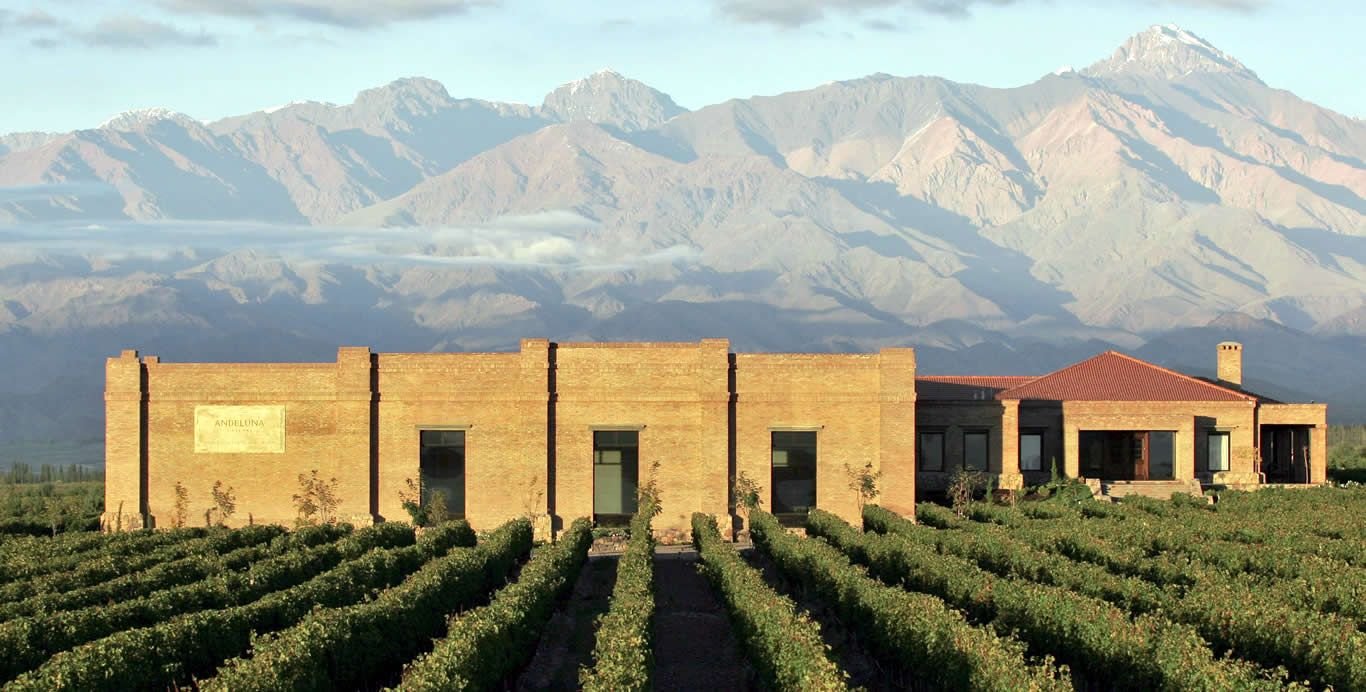
Some of the SAK partner wineries we work with in Valle de Uco: Salentein, Andeluna, Zorzal Wines, Bemberg Estate, La Azul, Domaine Bousquet, Atamisque, Huentala Wines, Piedra Infinita (Zuccardi), Corazón del Sol, Monteviejo, Diamandes, Alfa Crux, Super Uco, Gimenez Riili, Cuvelier de los Andes, Rolland, and more.
Here’s something many travelers don’t expect: you don’t have to leave the city to have a genuine winery experience. Escorihuela Gascón, in the integrated urban area of Godoy Cruz, and Los Toneles, right in Guaymallén near downtown, both sit within Greater Mendoza’s city core, just minutes from Plaza Independencia.
Founded in 1884, Escorihuela Gascón is one of the region’s most historic producers, its landmark building now woven into the surrounding city blocks. Los Toneles offers that same easy, walkable access, with a more intimate, boutique feel. Both let you experience real Mendoza winemaking without the drive out to Luján de Cuyo or the Uco Valley.
This makes the city wineries a smart pick for short stays, layovers, or travelers getting around without a rental car. Pair a visit with a downtown walking tour or a stop at the Central Market for a full taste of Mendoza in half the time.
Wineries we work with in the city: Escorihuela Gascón, Los Toneles.
As a local tour operator working with partner wineries across all three Mendoza wine regions, we’ve curated the table below to help you compare key estates. All wineries listed are part of SAK’s curated portfolio.
Winery | Region | Distance from Capital | Notes |
|---|---|---|---|
Catena Zapata | Luján de Cuyo | ~25 km (Agrelo) | Iconic Mayan pyramid architecture designed by Borgés & Yanzón. One of Argentina’s most photographed wineries. Home of the legendary Adrianna Vineyard wines. |
Viña Cobos | Luján de Cuyo | ~22 km (Perdriel) | Paul Hobbs’ Argentine project, known for some of the country’s most acclaimed single-vineyard Malbecs. Boutique-style experience. |
Susana Balbo | Luján de Cuyo | ~20 km (Agrelo) | Founded by the first female winemaker to graduate in Argentina. Pioneer of Torrontés as a premium varietal. Modern, design-forward estate. |
Achaval Ferrer | Luján de Cuyo | ~22 km (Perdriel) | Specialist in single-vineyard, terroir-driven Malbec. Consistently among the top-rated wineries in international competitions. |
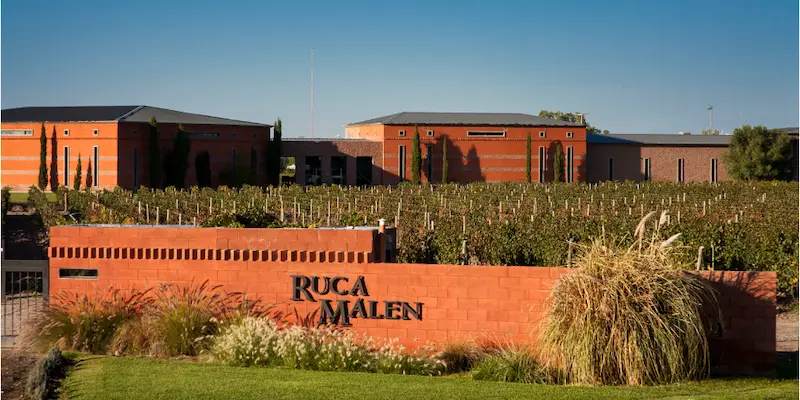
Ruca Malen | Luján de Cuyo | ~24 km (Agrelo) | Known for one of Mendoza’s best winery lunch experiences, with panoramic views of the Andes and a celebrated in-house chef. |
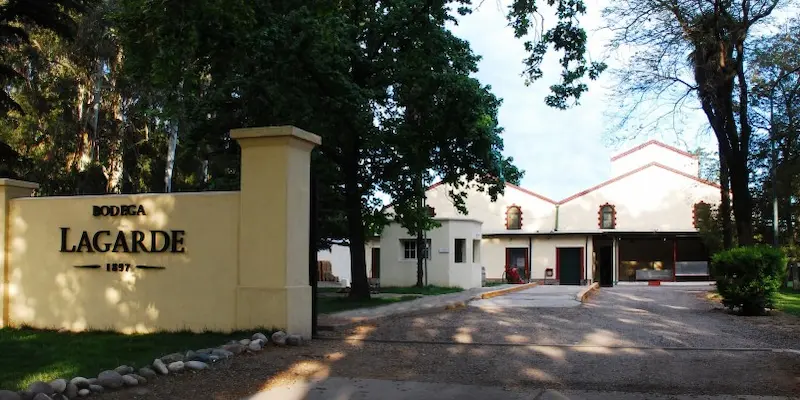
Lagarde | Luján de Cuyo | ~18 km | One of Mendoza’s oldest continuously operating wineries, founded in 1897. Historic cellars, heritage architecture. Bike-friendly route. |
Finca Decero | Luján de Cuyo | ~25 km (Agrelo) | High-elevation estate in Agrelo (1,050m). Specializes in Petit Verdot and Cabernet Franc alongside Malbec. Modern winery design. |
Alta Vista | Luján de Cuyo | ~15 km (Chacras de Coria) | Founded by French investors. Known for ‘Premium’ range Malbec and the innovative Temis blends. Bike-friendly location. |
Kikén | Luján de Cuyo | ~20 km (Vistalba) | Chilean-owned (Montes). Striking modern architecture. The name means ‘flying goose’ in Mapuche, a nod to the trans-Andean migration of the founders. |
Pulenta Estate | Luján de Cuyo | ~20 km (Vistalba) | Family estate of the Pulenta family, former owners of Trapiche. Specializes in high-end Malbec, Cabernet and Merlot from Vistalba. |
Bressia | Luján de Cuyo | ~20 km (Perdriel) | Boutique family winery known for harvest experiences and immersive fermentation tours. Specializes in Malbec and Cabernet Franc. |
Renacer | Luján de Cuyo | ~22 km (Perdriel) | Spanish-owned estate. Known for the ‘Punto Final’ and ‘Enamore’ labels. Offers immersive cellar and vineyard tours. |
Nieto Senetiner | Luján de Cuyo | ~20 km (Vistalba) | Large historic estate in Vistalba, founded 1888. Excellent value for quality. Bike-friendly. Strong Bonarda and Malbec program. |
Clos de Chacras | Luján de Cuyo | ~15 km (Chacras de Coria) | Boutique estate in Chacras de Coria. French-inspired architecture, small-production wines. Bike-friendly route. |
Chandon | Luján de Cuyo | ~25 km (Agrelo) | Moët & Chandon’s Argentine flagship. Argentina’s leading sparkling wine producer. Modern visitor center with sparkling wine-focused tastings. |
Benegas | Luján de Cuyo | ~18 km | Historic estate with over 120 years of winemaking. Known for the iconic ‘Lynch’ Malbec and its cross-shaped 1890s cellar building. |
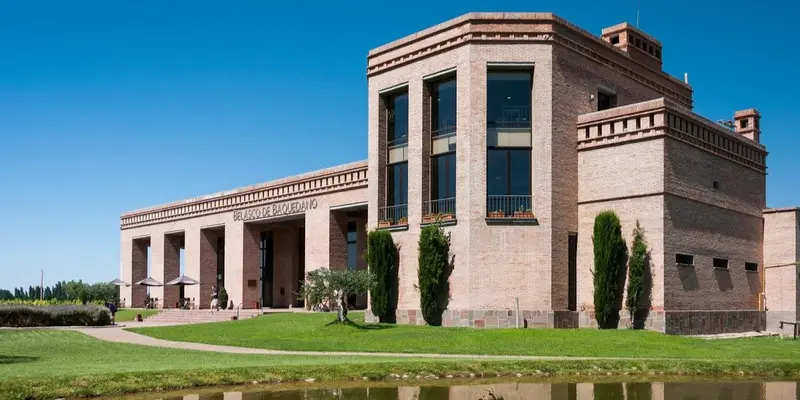
Belasco de Baquedano | Luján de Cuyo | ~24 km (Agrelo) | Produces wines from multiple Mendoza sub-regions. Known for high-altitude sourcing and the ‘Swinto’ single-vineyard series. |
Piattelli | Luján de Cuyo | ~20 km (Vistalba) | Also operates a sister winery in Cafayate, Salta. Known for Malbec-Cabernet blends and a welcoming visitor experience. |
Luigi Bosca (Finca El Paraíso) | Maipú | ~18 km | Iconic family estate founded 1901. One of Mendoza’s most historic wineries. The Giol family helped define Argentine wine tourism. Landmark cellars. |
El Enemigo | Maipú | ~18 km | Project of winemaker Alejandro Vigil (also head winemaker at Catena). Named for the ‘enemy’ of conventional winemaking. Highly acclaimed. |
Trapiche | Maipú | ~15 km (Coquimbito) | Argentina’s largest wine exporter, founded 1883. Iconic single-vineyard ‘Iscay’ and ‘Terroir’ series alongside accessible everyday wines. Historic winery building. |
Tempus Alba | Maipú | ~15 km | Modern winery with a strong focus on sustainable viticulture. Known for Malbec Rosé and accessible premium wines. |
Trivento | Maipú | ~16 km | Chilean-owned (Concha y Toro). One of Mendoza’s most visited wineries. ‘Golden Reserve’ Malbec is a flagship label. |
Mil Suelos | Maipú | ~16 km | Boutique project specializing in single-parcel wines from different soil types (‘mil suelos’ means ‘a thousand soils’). Focus on terroir expression. |
Zuccardi Santa Julia | Maipú | ~20 km | Accessible entry point to the Zuccardi family portfolio. Organic and biodynamic practices. Strong value wines and a welcoming visitor format. |
Salentein | Uco Valle Norte | ~90 km | Dutch-owned landmark estate. One of the first major wineries to open in Valle de Uco. Features an on-site art gallery (Espacio Killka) and a full cultural program. |
Andeluna | Uco Valle Norte | ~80 km (Tupungato) | Family-owned estate known for its location at 1,300m altitude and spectacular Andes views. The name means ‘valley of the moon’ in Mapuche. |
Bemberg Estate | Uco Valle Norte | ~85 km | Ultra-premium boutique project of the Bemberg family. Very limited production. Known for exceptional single-vineyard Malbec at high altitude. |
Zorzal Wines | Uco Valle Norte | ~80 km (Tupungato) | Pioneer of organic and sustainable viticulture in Tupungato. Named after the thrush bird. Known for freshness and elegance rather than power. |
La Azul | Uco Valle Norte | ~90 km | Small boutique winery with some of the most scenic vineyard views in the Uco Valley. Family-owned, intimate visit format. |
Domaine Bousquet | Uco Valle Norte | ~85 km | French-founded organic and biodynamic estate. One of the world’s most awarded organic wine producers. Strong export presence in the US and Europe. |
Atamisque | Uco Valle Norte | ~90 km | Integrated estate with hotel, spa, and restaurant alongside the winery. Named after the local carob tree. Good option for a full-day experience. |
Piedra Infinita (Zuccardi) | Uco Valle Sur | ~100 km | Flagship estate of the Zuccardi family. Named World’s Best Winery multiple times. Architecture by Bormída & Yanzón. Considered the apex of Mendoza wine tourism. |
Corazón del Sol | Uco Valle Sur | ~100 km | Ultra-premium boutique project. Located in the Clos de los Siete zone. Very limited production, exclusive visit format. |
Monteviejo | Uco Valle Sur | ~100 km | Part of the Clos de los Siete, a joint venture of seven French winemakers including Michel Rolland. Beautiful mountain-facing estate. |
Diamandes | Uco Valle Sur | ~100 km | Also part of Clos de los Siete. Swiss-owned. Known for elegant, high-altitude Malbec and Cabernet. Minimalist architecture. |
Alfa Crux (ex O. Fournier) | Uco Valle Sur | ~100 km | Spanish-owned estate with striking contemporary architecture. Produces the acclaimed ‘Urban Uco’ range and ultra-premium ‘B Crux’. |
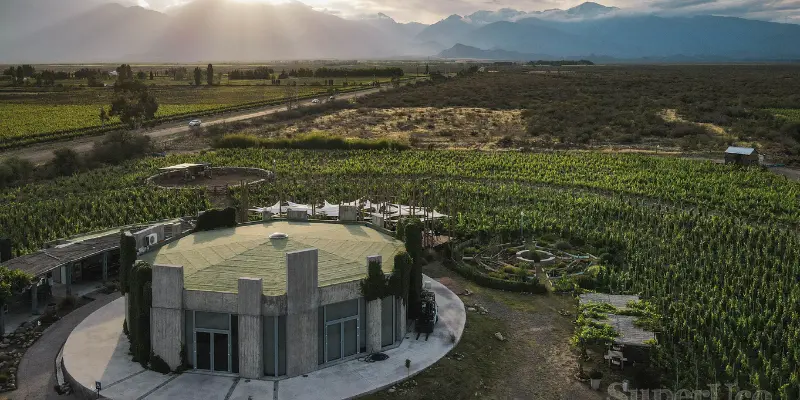
Super Uco | Uco Valle Sur | ~105 km | Boutique winery focused on high-altitude Malbec from San Carlos. Small production, personalized visits. |
Gimenez Riili | Uco Valle Sur | ~105 km | Family project known for an excellent winery restaurant and intimate visit format. Also operates a hotel and guest cottages on-site. |
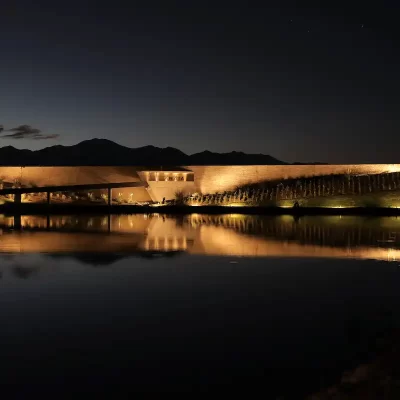
Unlike many wine regions, Mendoza runs on a reservation culture. Most wineries require advance booking — for tastings, 48–72 hours is usually enough; for lunches or dinners, plan 1–3 weeks ahead. During harvest season (February–April), popular estates book up fast. When you tour with SAK, all reservations are handled for you.
For the best experience, we recommend 2–3 wineries per day maximum — enough time to walk the vineyards, taste thoughtfully, and enjoy a proper lunch without rushing. For Valle de Uco, 1–2 estates is the ideal structure given the longer drive from the city. Quality over quantity is always the right call in Mendoza’s wine country.
Mendoza is a high-altitude desert: the sun is intense year-round. Pack sunscreen (SPF 50), sunglasses, a hat, and comfortable walking shoes — vineyard terrain is uneven. A light layer is useful for evenings even in summer. And leave space in your luggage for bottles — most wineries sell direct, including labels that never reach export markets.
If you or anyone in your group has specific accessibility needs, reach out before booking and we’ll confirm what each selected winery can accommodate. Requirements vary by estate — some have fully accessible areas, others involve vineyard terrain that requires planning. We’re happy to help you design a day that works for everyone.
Most wineries in Luján de Cuyo and Maipú are 20 to 40 minutes by car from downtown Mendoza. If you go on your own, keep in mind that many wineries require advance booking, especially the smaller ones that don’t have a large reception area. The Uco Valley requires more planning because distances between wineries are greater and the roads, although in good condition, don’t always have cell signal. Hiring a transfer with a designated driver is the simplest option if the group will be tasting wine throughout the trip, something we handle ourselves by building the complete logistics according to how many wineries you want to visit and in what order.
Two to three is reasonable if you want to enjoy each visit without feeling rushed or getting too tipsy to keep tasting with judgment. If the plan includes lunch at one of them, two wineries already make a full, well-used day.
Yes, in most cases. Boutique wineries and the most sought-after ones in the Uco Valley often fill their schedule weeks ahead, especially during harvest. The larger wineries in Luján de Cuyo and Maipú sometimes accept walk-in visitors, but it is always better to confirm beforehand so you don’t miss out on a specific tasting or lunch.
It depends on your priorities. Valle de Uco offers the most spectacular Andean scenery and some of the world’s most acclaimed estates — plan a full day for this region. Luján de Cuyo is the historic heartland of Argentine Malbec, with an excellent balance of iconic wineries and accessibility from the city. Maipú is the most relaxed and approachable option, with a mix of large historic producers and boutique wineries. Most visitors combine Luján de Cuyo and Maipú on one day, then dedicate a separate day to Valle de Uco.
March through April (harvest season) is the most vibrant time: active cellars, harvest activities at select estates, and the Fiesta Nacional de la Vendimia in early March — one of the world’s great harvest festivals. September through November (spring) offers the best combination of ideal weather, beautiful vineyards, and manageable crowds. Mendoza wineries are open year-round, so there is no wrong season — just different atmospheres depending on what you’re looking for.
Absolutely — and it’s one of the best ways to develop an appreciation for wine. Our bilingual guides adapt their explanations to every level of knowledge, from complete beginners to experienced enthusiasts. Whether you’re just starting to explore wine or you’re looking to go deep into terroir and winemaking technique, we’ll match you with the right estates and the right experience.
The best starting point is knowing what kind of experience you’re after: spectacular architecture and iconic names, intimate boutique visits, food-and-wine pairing, harvest activities, or a specific region of the province. As a local operator, we work with a curated portfolio of partner wineries across all three regions and can recommend the right combination for your interests, travel dates, and group. Browse our winery directory or get in touch and we’ll build an itinerary around you.
Luján de Cuyo combines historic wineries with high-end projects and is very close to the city. Maipú has the smallest, most accessible circuit, ideal for cycling between wineries. The Uco Valley sits at a higher altitude, has the youngest and most modern vineyards in the province, and requires more travel time but usually offers a more exclusive experience.
Yes, quite a few wineries offer grape juice, grape must tastings or menus without the wine tasting for those who prefer not to drink. Several also have green spaces, games and children’s menus designed for families, although it’s worth asking when you book because not every winery is set up to receive children.
Of course, many people rent a car or use taxis between wineries. The advantage of arranging with us is that we take care of the reservations and the transfer with a designated driver, and we design the route around your tastes, so you don’t have to solve the logistics yourself or worry about driving after tasting.
If you’d rather have us put the route together for you, tell us what kind of wineries interest you and how many days you have, and we’ll propose an itinerary with confirmed reservations and transfers included.